Blackheads, whiteheads and open pores
Comedonal acne is the type people treat most aggressively and least effectively, largely because of one misunderstanding about what a blackhead actually is.
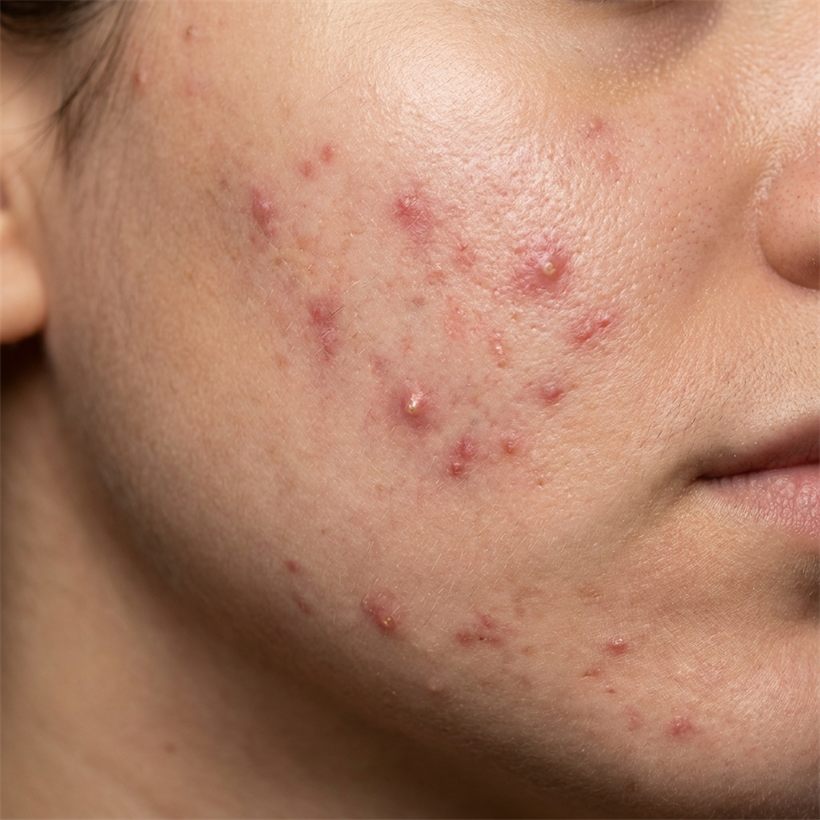
A blackhead is an open comedone: a follicle plugged with sebum and dead cells, with the surface exposed to air. The dark colour is oxidised sebum and melanin — not dirt. This matters, because if it were dirt, scrubbing would fix it. It is not, so scrubbing simply damages the skin around a plug that stays exactly where it was.
A whitehead is the same plug with a closed surface, so it stays white or skin-coloured.
What actually clears them
Retinoids — the real answer
Adapalene 0.1% is the most effective treatment for comedonal acne, full stop. It normalises how the follicle sheds cells, which clears existing plugs and prevents new ones forming. Nothing over the counter matches it for this specific problem.
Apply a pea-sized amount to the whole affected area at night, starting twice weekly. Expect six to twelve weeks. Expect it to look worse around weeks two to four as plugs surface — this is the stage where most people quit, and quitting here is why they conclude nothing works.
Salicylic acid
Oil-soluble, so it penetrates into the pore itself rather than sitting on the surface. A 2% leave-on or cleanser works well for oily, blackhead-prone skin, and it is gentler to start with than a retinoid.
Professional extraction
Done properly, with a sterile comedone extractor after softening the skin, extraction gives an immediate result. Done by an untrained person, or on inflamed lesions, it causes marks and scars. It is a finishing step, not a treatment — extraction without a retinoid means the plugs simply refill within weeks.
Chemical peels
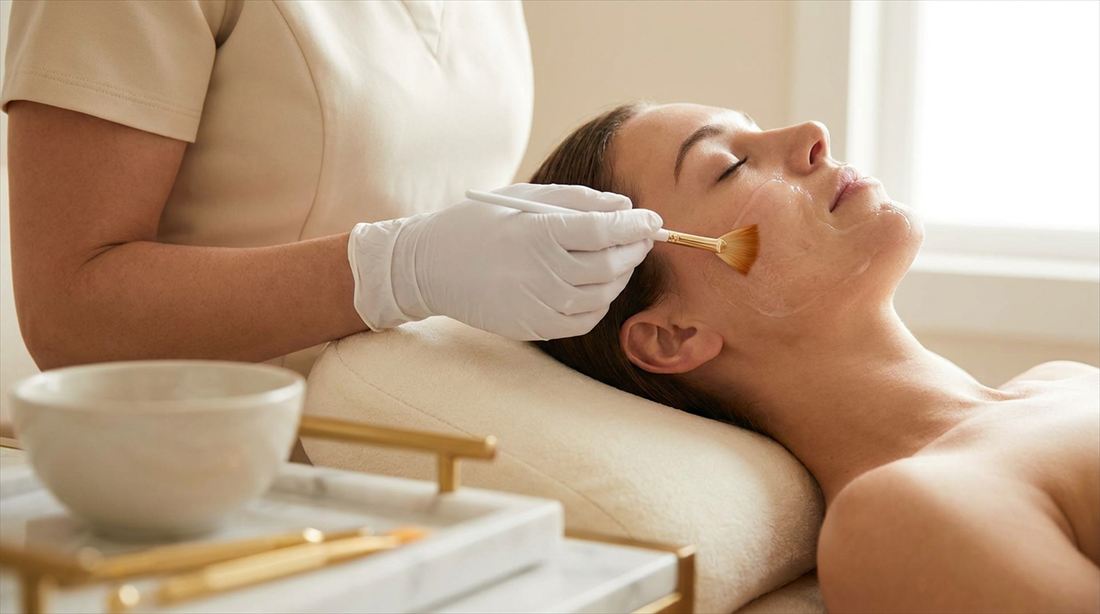
Salicylic acid peels are particularly good for comedonal acne and oily skin. A series of four to six sessions alongside home treatment works well. See the peels guide.
Things that seem to help but do not
- Pore strips. They pull out the top of the plug and some hair, leaving the rest. Satisfying, temporary, and they irritate and stretch the pore opening with repeated use.
- Squeezing with fingernails. Pushes contents deeper, introduces bacteria, and in brown skin leaves a mark that lasts months longer than the blackhead would have.
- Gritty scrubs and cleansing brushes. They cannot reach inside the pore. They only damage the surface.
- Steaming to "open pores". Pores have no muscles and do not open or close. Steam softens the plug slightly, which is mildly useful before extraction and useless on its own.
- Charcoal and peel-off masks. Cosmetic effect only.
- Toothpaste and DIY glue masks. Please do not.
A realistic word about "open pores"
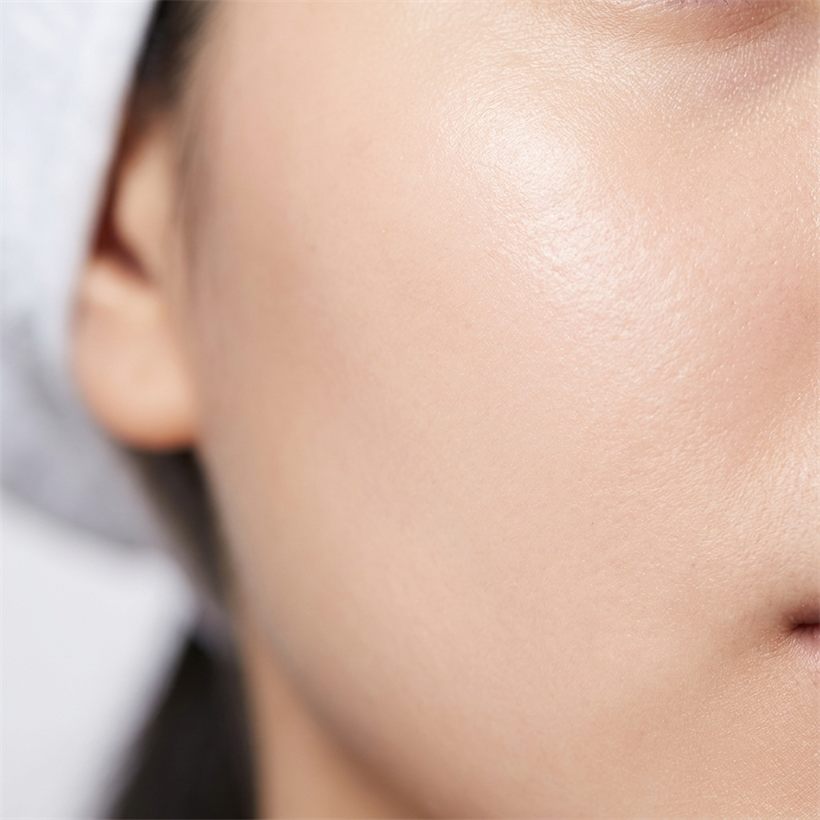
Pore size is largely genetic, and influenced by oil production, sun damage and age. No cream shrinks a pore permanently — that claim is marketing. What genuinely helps them look smaller:
- Keeping them empty. A pore filled with a plug looks much larger than an empty one. This is why retinoids visibly improve pore appearance.
- Retinoids long-term, which thicken the surrounding dermis.
- Niacinamide, which modestly reduces the appearance of pore size.
- Daily sunscreen. Sun damage degrades the collagen that supports the pore wall, which is why pores enlarge with age and sun exposure.
- Microneedling or fractional laser for a structural improvement over several sessions.
Managing expectations here matters. Pores are a normal anatomical feature and cannot be eliminated. They can be emptied, and the skin around them can be strengthened — which together make a real visible difference. Anything promising to close them permanently is not being honest.
Fungal bumps, not comedones
One useful distinction for our climate: if the bumps are small, uniform, itchy and mostly on the forehead, chest or upper back, consider Malassezia folliculitis rather than comedonal acne. It looks similar but needs antifungal treatment — see fungal infections. Months of adapalene will not touch it.
Frequently asked questions
No. A blackhead is a follicle plugged with sebum and dead cells, and the dark colour comes from oxidised sebum and melanin, not dirt. This is why scrubbing does not remove them and only damages the surrounding skin.
Adapalene 0.1% applied nightly to the whole affected area is the most effective option, because it clears existing plugs and prevents new ones. Salicylic acid 2% is a gentler starting point, and salicylic acid peels help alongside home treatment.
Only superficially and temporarily. They remove the top of the plug and some hair while leaving the rest behind, and with repeated use they irritate and stretch the pore opening.
No. Pore size is largely genetic and no cream shrinks pores permanently. What helps is keeping them empty with retinoids, daily sunscreen to protect the supporting collagen, niacinamide, and microneedling or fractional laser for structural improvement.
It usually causes more harm than benefit. Squeezing pushes contents deeper, introduces bacteria, and in brown skin leaves a dark mark lasting months longer than the blackhead. Professional extraction after softening the skin is safer, but it needs a retinoid alongside or the plugs refill.
Six to twelve weeks. Skin often looks worse at weeks two to four as plugs come to the surface, which is when most people stop — continuing through that stage is what produces the result.