Back and body acne
Body acne is more stubborn than facial acne because the skin is thicker, the oil glands are larger, and in our climate sweat and friction never stop. It also gets misdiagnosed more often than anything else I treat.

Let me start with the distinction that matters most, because getting it wrong wastes months.
Acne or fungal folliculitis?
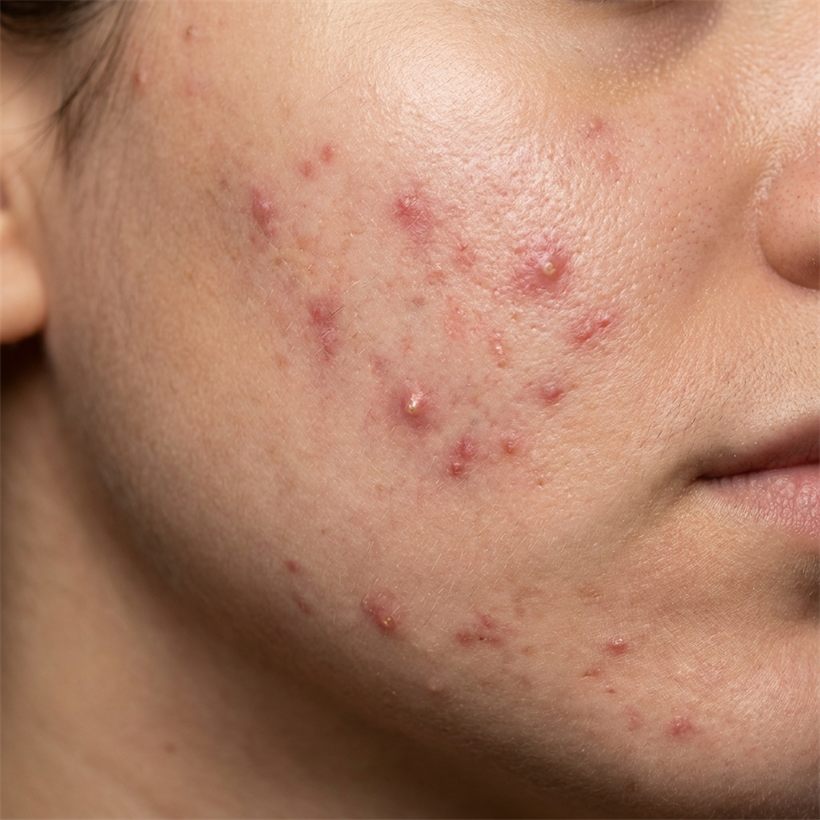
True body acne: mixed lesions at different stages — blackheads, papules, pustules, sometimes nodules. Varied in size. Not especially itchy.
Malassezia (fungal) folliculitis: small bumps that are strikingly uniform in size, often itchy, concentrated on the chest, upper back and shoulders, worse in heat and humidity, and completely unresponsive to months of acne treatment.
The uniformity and the itch are the giveaways. If that description fits, you need an antifungal — see fungal infections. Benzoyl peroxide and antibiotics will not clear it, and antibiotics can make it worse by reducing competing bacteria.
Why body acne is more stubborn
- Thicker skin with larger, more active sebaceous glands.
- Constant friction from clothing, bags, straps and seats.
- Sweat that sits on the skin under clothing rather than evaporating — a major factor here.
- Harder to reach, so treatment is applied inconsistently.
- Heals with more prominent marks and keloid-prone scarring, especially on the chest and shoulders.
Treatment that works
- Benzoyl peroxide wash 4–5%. The workhorse for body acne. Apply in the shower, leave on for two to three minutes, then rinse — contact time matters. It bleaches fabric, so use white or old towels and bedsheets.
- Salicylic acid 2% body wash or spray for blackheads and clogged follicles.
- A leave-on treatment. Adapalene gel works, but reaching your own back is the practical problem — a long-handled lotion applicator or a spray formulation solves this. Clindamycin-benzoyl peroxide combinations are also useful.
- Oral treatment for moderate to severe cases: doxycycline for a defined course, or isotretinoin where there is nodular acne and scarring. Body acne needs oral treatment more often than facial acne does, simply because topicals cover a large area poorly.
- Azelaic acid where dark marks are the main residual concern.
The practical changes that matter most in this climate
Sweat and friction control
- Shower within 30 minutes of sweating — after exercise, a long commute, or outdoor work. This single habit changes more than any product.
- Change out of damp clothes immediately. Do not sit in a sweaty shirt through the afternoon.
- Loose cotton clothing. Tight synthetic fabrics trap heat and sweat against the skin.
- Wash your back last in the shower, after conditioning your hair — heavy conditioners and hair oils running down the back are a genuine and very common cause of upper-back breakouts.
- Check your sunscreen and body lotion for heavy oils. Use non-comedogenic products on the body too.
- Wash bedsheets and pillowcases weekly, and gym clothes after every use.
- Backpack straps and bra straps cause friction acne (acne mechanica). Loosen where possible and clean straps regularly.
Marks and scars on the body
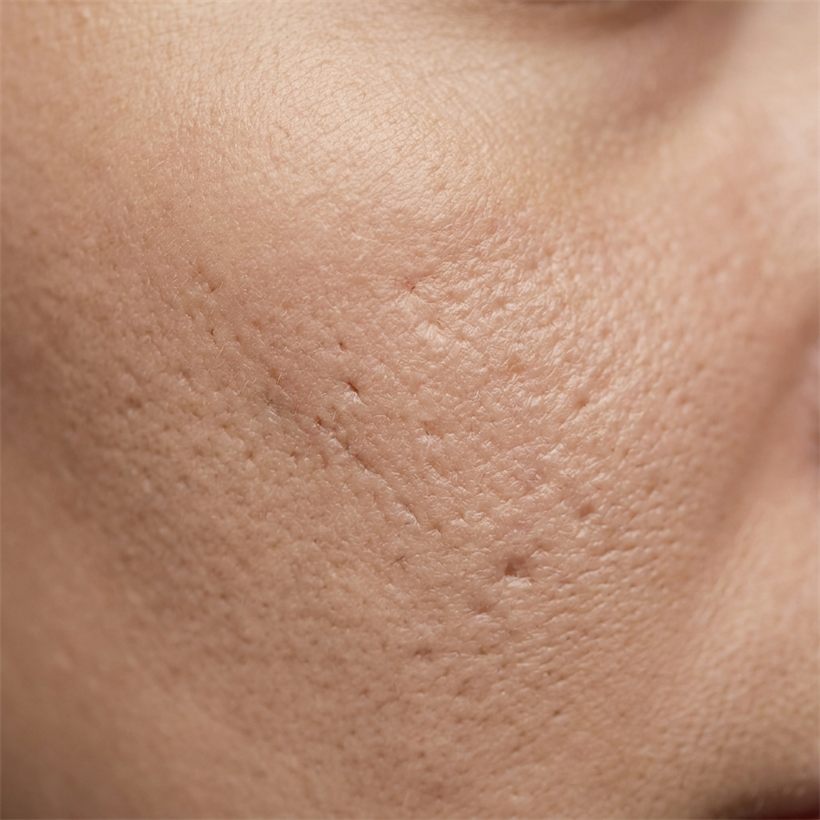
Body acne marks fade more slowly than facial ones — often six to twelve months — because turnover is slower. And the chest, shoulders and upper back are the most keloid-prone areas on the body, so raised scars are a real risk here in a way they are not on the face.
This is why I treat body acne more aggressively and earlier than people expect. If you are getting deep, painful lesions on the chest or shoulders, or any raised scarring, that is a reason to see a dermatologist now rather than working through more body washes. Keloids are far easier to prevent than to treat.
Frequently asked questions
Fungal folliculitis produces bumps that are strikingly uniform in size, often itchy, concentrated on the chest, upper back and shoulders, worse in heat, and unresponsive to months of acne treatment. True acne is mixed — different lesions at different stages, and not especially itchy.
A benzoyl peroxide 4–5% wash left on for two to three minutes in the shower is the mainstay, plus a leave-on retinoid or clindamycin-benzoyl peroxide combination. Moderate to severe cases often need oral treatment, because topicals cover large areas poorly.
Yes, and it is a very common cause. Heavy conditioners and hair oils running down the back clog follicles. Washing your back last in the shower, after rinsing conditioner out, often makes a noticeable difference.
Sweat sits on the skin under clothing instead of evaporating, and heat increases oil production. Showering within 30 minutes of sweating, changing out of damp clothes immediately and wearing loose cotton make a bigger difference than most products.
Yes, often six to twelve months, because cell turnover on the body is slower than on the face. Daily sun protection on exposed areas and azelaic acid help speed it up.
Yes. These are the most keloid-prone areas of the body, so raised scars are a genuine risk in a way they are not on the face. Deep or painful lesions there should be treated early, because keloids are much easier to prevent than to treat.