Chemical peels, explained properly
A chemical peel is a controlled application of acid to accelerate skin renewal. Done well, it is one of the most useful and affordable tools in dermatology. Done carelessly on brown skin, it causes exactly the pigmentation you came to fix.
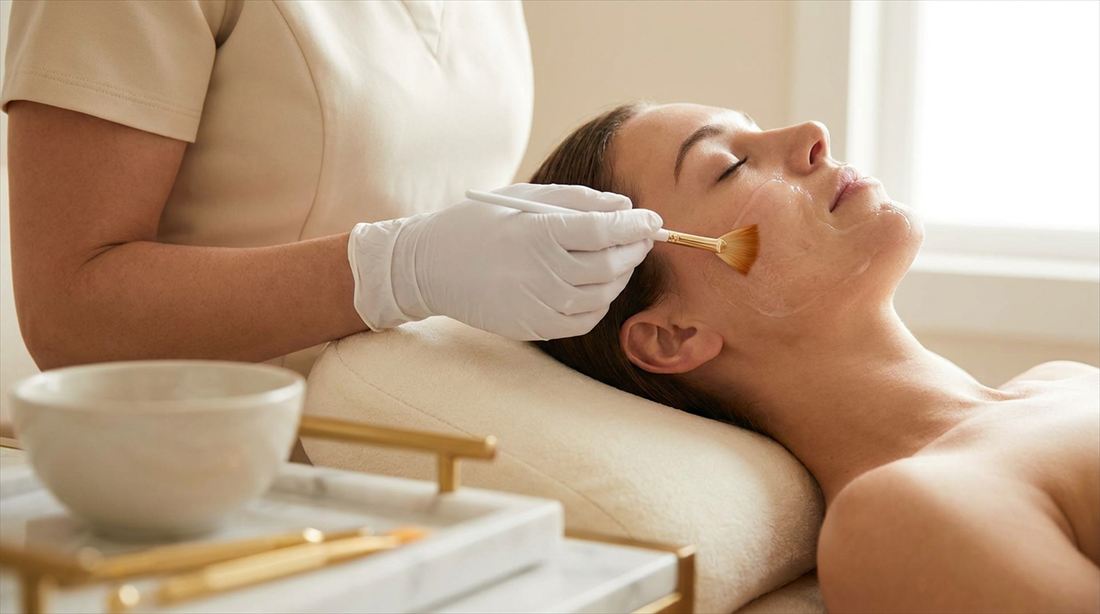
The principle is simple: a chemical solution removes the outer layers in a controlled way, prompting faster renewal and stimulating collagen underneath. What varies enormously is the acid, its concentration, its pH and how long it stays on — and those variables are the difference between a good result and a burn.
Matching the peel to the problem
| Peel | Best for | Notes |
|---|---|---|
| Salicylic acid 20–30% | Active acne, blackheads, oily skin | Oil-soluble, anti-inflammatory. Very safe in brown skin. My usual choice for acne. |
| Glycolic acid 20–70% | Dullness, texture, fine lines, pigmentation | Most versatile. Needs neutralising; strength built up gradually across sessions. |
| Lactic acid | Sensitive or dry skin, mild pigmentation | Gentlest option, also hydrating. Good first peel. |
| Mandelic acid | Sensitive skin, melasma, acne in darker skin | Large molecule, penetrates slowly — lower irritation risk. Underused and well suited to Indian skin. |
| Yellow peel (retinol-based) | Melasma, pigmentation, photoageing | Left on for hours at home, peels over days |
| TCA 10–15% | Deeper pigmentation, scars, photoageing | Higher risk in dark skin. Needs experience and conservative use. |
| Combination / Jessner | Mixed concerns | Blends acids at low concentration for a broader effect with less depth |
What a session is actually like
- Preparation. Two to four weeks of home prep — usually a brightening agent and strict sunscreen. This step reduces the pigmentation risk substantially and should not be skipped.
- Cleansing and degreasing at the clinic.
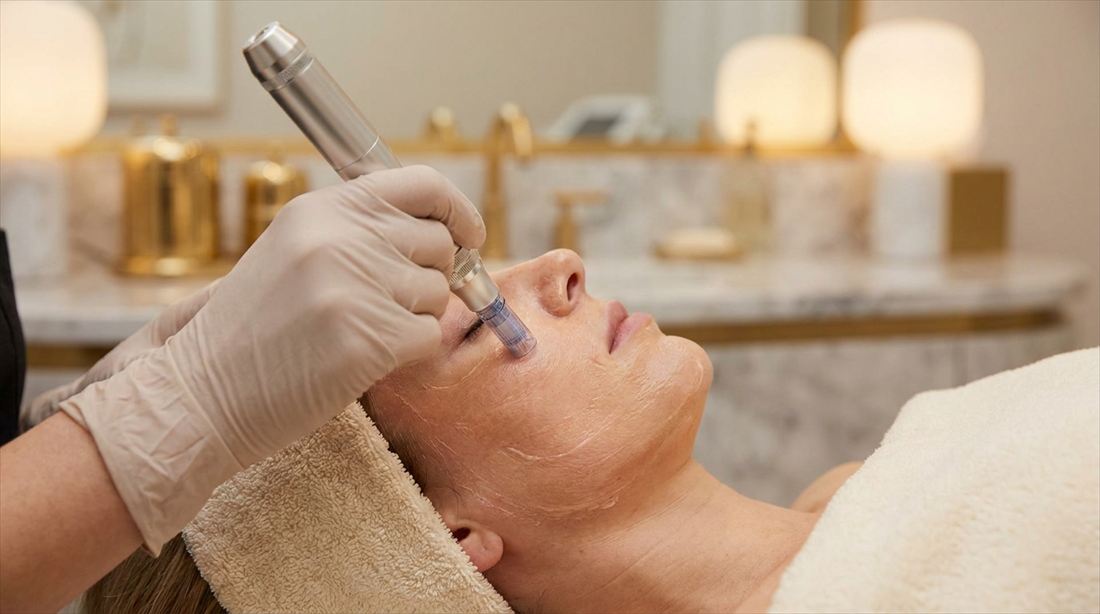
- Application. The acid goes on for a defined time — typically two to five minutes for a first session. You will feel tingling, warmth or mild stinging, building to a definite burn towards the end. A fan helps.
- Neutralising or rinsing. Some peels are neutralised, some self-neutralise.
- Aftercare. Sunscreen immediately, gentle moisturiser, and no actives for about five days.
Total time is 20 to 30 minutes. Mild redness for a few hours to a day is normal. Light flaking begins around day two or three and settles by day five to seven. Superficial peels do not usually cause the dramatic sheet peeling people expect from videos — that is a deeper peel, and it is not what most people need.
How many, and what to expect
- Four to six sessions, spaced two to four weeks apart, for most concerns.
- Gradual improvement. One peel gives a brief glow; the structural change comes from a series.
- Maintenance every two to three months once the course is done.
- Peels work best alongside home treatment, not instead of it. A peel every month cannot compensate for skipping sunscreen and topicals in between.
The specific risk in skin types IV to VI
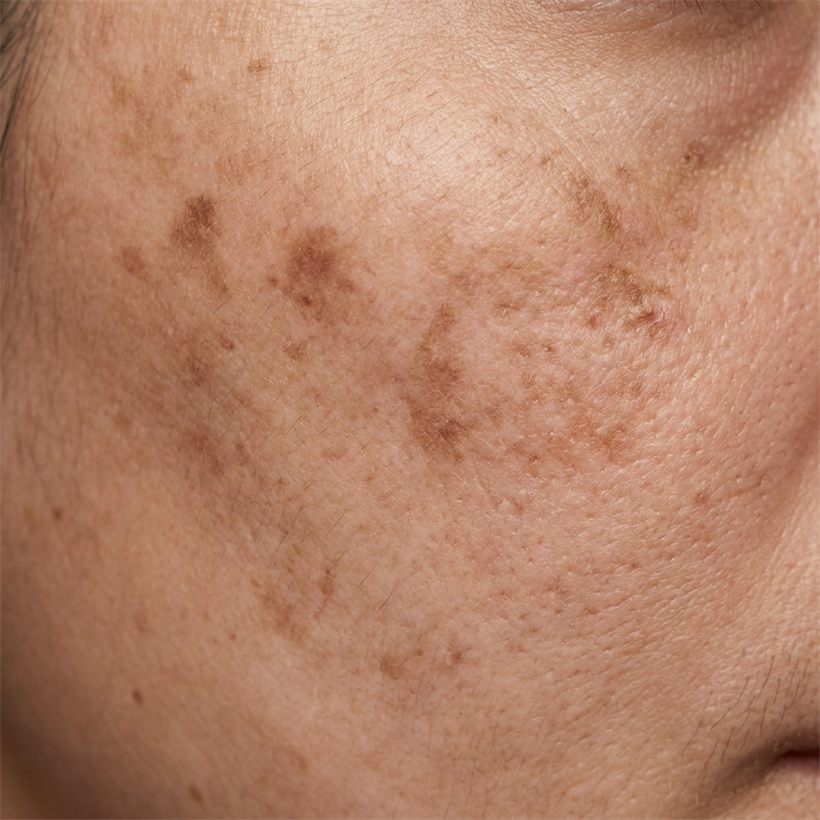
Post-inflammatory hyperpigmentation is the main complication in brown skin — the peel causes inflammation, and inflammation causes pigment. Ironically, this means an aggressive peel done to treat pigmentation can leave you darker than before.
How this is avoided: correct patient selection, starting at low concentration, building up slowly across sessions, adequate pre-treatment preparation, and absolutely strict sun protection afterwards. This is why I am conservative with peel strength here and why I would rather do six gentle sessions than two aggressive ones.
Warning signs to act on: pain lasting beyond a day, blistering, crusting, or spreading redness. These need review, not reassurance.
Who should not have a peel
Peels are avoided or postponed with active herpes or other skin infection, isotretinoin use within the last six months, pregnancy for some peel types, a history of keloids, active eczema or dermatitis on the area, recent waxing or threading in the area, or unrealistic expectations. Tell your doctor about isotretinoin specifically — it affects healing and is a genuine contraindication, not a formality.
The aftercare that determines your result
- Sunscreen, rigorously, for at least two weeks. This is the single biggest determinant of whether you get a good result or pigmentation.
- Do not pick or peel the flaking skin. Let it come off on its own. Picking causes marks and occasionally scars.
- No retinoids, acids, scrubs or waxing for five to seven days.
- Gentle cleanser and moisturiser only.
- Avoid swimming, steam, sauna and heavy sweating for two to three days.
- Do not schedule a peel within two weeks of a wedding or important event. Time it well in advance.
Questions worth asking your clinic
Which acid and what concentration, and why that one for my skin type. How many sessions before we reassess. Who performs it — a doctor or a technician, and with what supervision. What happens if I get pigmentation afterwards. A clinic that cannot answer these clearly is not a clinic where I would let anyone apply acid to my face.
One final note: peels have become a heavily marketed "package" treatment, often with names that reveal nothing about the actual acid used. Ask what is in it. A "gold facial peel" or "instant glow peel" is a brand name, not a diagnosis.
Frequently asked questions
Yes, when chosen and performed conservatively. Salicylic, lactic and mandelic acid peels are particularly safe in skin types IV to VI. The main risk is post-inflammatory hyperpigmentation from too aggressive a peel, which is avoided by starting low, building up gradually and using strict sun protection afterwards.
Usually four to six sessions, two to four weeks apart, followed by maintenance every two to three months. A single peel gives a brief glow; lasting change comes from a series alongside home treatment.
Not with superficial peels, which cause light flaking from around day two or three, settling by day five to seven. Dramatic sheet peeling comes from deeper peels, which most people do not need.
Salicylic acid 20–30% is usually the best choice, because it is oil-soluble so it penetrates the pore, and it is anti-inflammatory and very safe in brown skin. Mandelic acid is a good alternative for sensitive skin.
Sun exposure without rigorous sunscreen, picking the flaking skin, retinoids, acids, scrubs and waxing for five to seven days, and swimming, steam or heavy sweating for two to three days. Sunscreen is the biggest determinant of your result.
No — peels are avoided during isotretinoin and usually for about six months afterwards, because it affects skin healing. This is a genuine contraindication, so always tell your dermatologist if you are taking or have recently taken it.