Melasma: the pigmentation that keeps returning
Melasma is a chronic condition, not a one-time blemish. Understanding that changes everything about how you treat it — and explains why the person who scrubbed and lasered hardest often has the worst result.
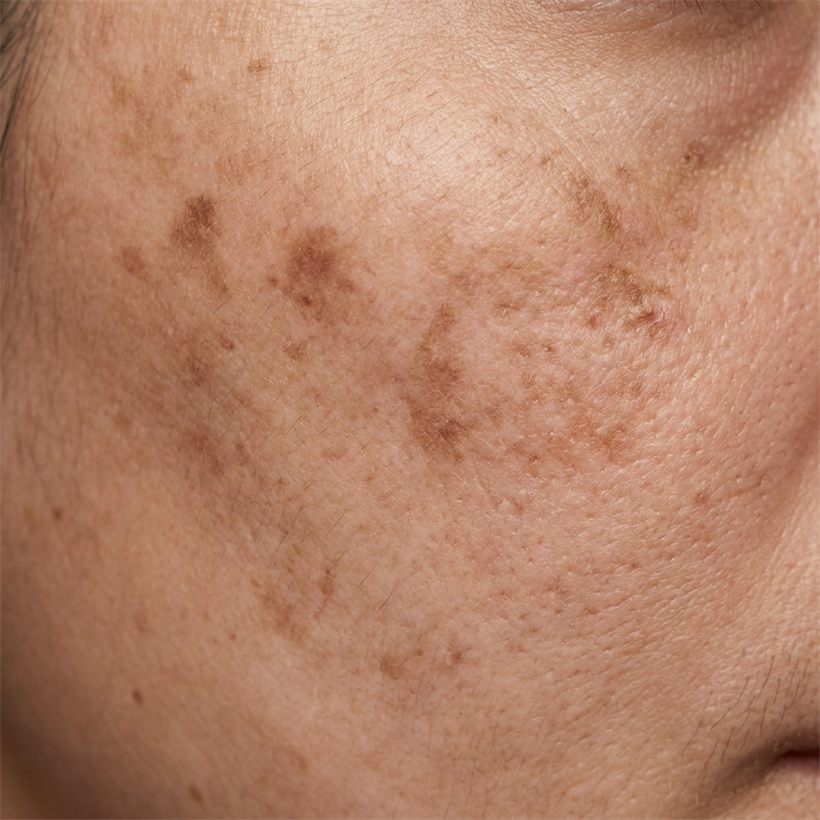
If you have symmetrical brown or greyish patches across your cheeks, upper lip, forehead or jawline — usually mirrored on both sides — that is most likely melasma. It affects women far more than men, commonly starts in the twenties or thirties, and is extremely common in Kerala for two reasons: our latitude, and our genetics.
Why it happens
Melasma is a disorder of overactive melanocytes. Several triggers switch them on:
- Ultraviolet light — the dominant trigger.
- Visible light, particularly blue light. This is why melasma can worsen even with a good clear sunscreen, and why tinted formulas matter.
- Heat. Independent of UV. Cooking over a flame, ironing, long hot commutes — a genuine and under-recognised factor in Kerala.
- Hormones — pregnancy (the "mask of pregnancy"), oral contraceptives, hormonal IUDs.
- Thyroid disease, which is associated more often than most people expect.
- Skin irritation. Scrubs, harsh peels, threading, aggressive lasers — inflammation makes melasma worse, not better.
That last point is the one I most need patients to absorb. Melasma is an inflammation-sensitive condition. Treatments that work by irritating the skin tend to trigger a rebound that is darker than the original.
What actually controls it
Sun and heat protection — non-negotiable
No treatment holds without this. Specifically for melasma: a tinted sunscreen containing iron oxides, because it blocks visible light that clear sunscreens do not. SPF 50, reapplied. Plus a wide-brimmed hat or umbrella, and reducing direct heat exposure where you can.
Patients who do this properly and use nothing else often improve. Patients who use excellent creams without it reliably do not.
Topical treatment
| Treatment | Notes |
|---|---|
| Hydroquinone 2–4% | The most effective single topical. Use in defined courses of 3–4 months with breaks — continuous long-term use risks ochronosis, a stubborn blue-grey discolouration. Prescription supervision genuinely matters here. |
| Triple combination cream | Hydroquinone + tretinoin + a mild steroid. Very effective short-term. The steroid component means it must not be used indefinitely — and it is widely misused in India as a daily "fairness cream". |
| Azelaic acid 15–20% | Good evidence, gentle, safe in pregnancy. My usual choice for pregnant or breastfeeding patients. |
| Tranexamic acid | Topical and, in selected cases, oral. Oral tranexamic acid has good evidence for stubborn melasma but requires screening for clotting risk — never self-prescribe it. |
| Niacinamide, vitamin C, cysteamine, arbutin | Milder, useful for maintenance and in combination. |
| Retinoids | Helpful but irritating; introduce slowly, because irritation can worsen melasma. |
Procedures — carefully, and never first
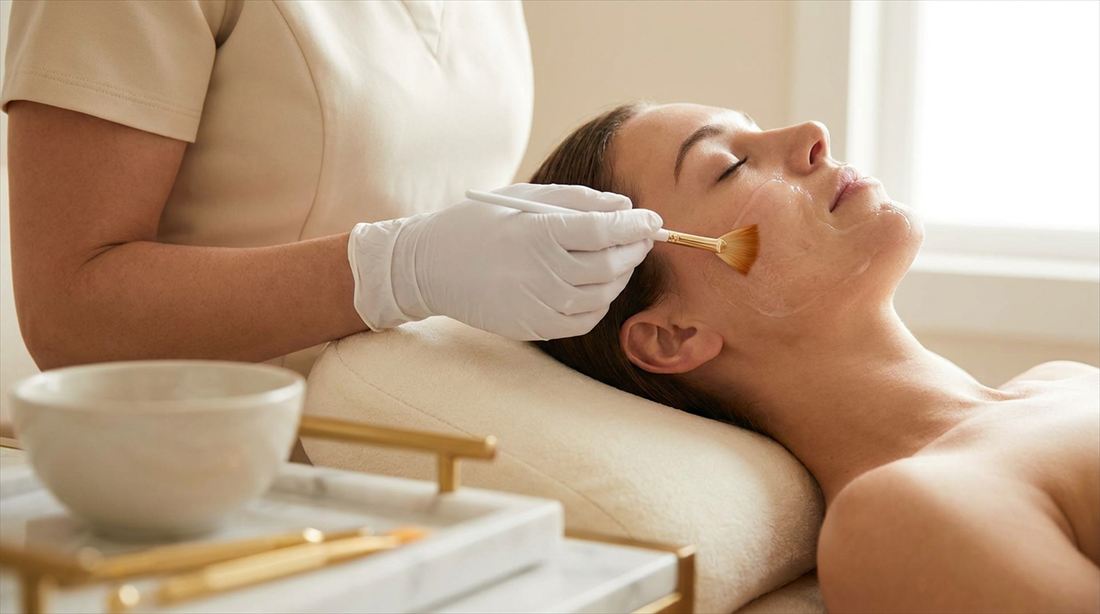
Superficial chemical peels and low-fluence Q-switched laser toning can help, but only as an addition to topicals and sun protection, never as a substitute. Aggressive lasers and deep peels frequently make melasma worse in skin types IV to VI.
The most common way melasma gets worse
Someone buys an unlabelled "fairness" or steroid combination cream. It lightens quickly for six weeks. They keep using it for a year. Now they have steroid-thinned skin with visible capillaries, rebound pigmentation darker than before, and melasma that has become far harder to treat. This is not a rare story — I see it most weeks. If a cream lightens your skin dramatically within a fortnight, stop and get it checked.
What to realistically expect
- Three months for meaningful lightening with consistent treatment.
- 60 to 80 percent improvement is a good outcome. Complete permanent clearance is uncommon.
- Relapse is normal — particularly in summer, after a holiday, or with pregnancy. It is not failure; it is the disease.
- Maintenance is lifelong. Most patients stay on a gentle topical plus daily tinted sunscreen indefinitely, stepping up during flares.
Framing this correctly at the start matters more than any individual cream. Patients told "this will cure it" become discouraged and start experimenting dangerously when it returns. Patients who understand they are managing a chronic, controllable condition do far better long-term.
When to get it checked
Please see a dermatologist before treating pigmentation yourself if the patches are symmetrical across both cheeks, if a previous cream caused burning or rebound darkening, if you are pregnant, or if you also have fatigue, weight change or hair fall — a thyroid check is worthwhile. Not all facial pigmentation is melasma; lichen planus pigmentosus, ochronosis and post-inflammatory pigmentation all look similar to a patient and need different treatment.
Frequently asked questions
Melasma is best understood as a chronic, controllable condition rather than a curable one. A realistic good outcome is 60 to 80 percent improvement with ongoing maintenance. Relapse in summer, after sun exposure or during pregnancy is normal and does not mean treatment failed.
Ultraviolet light, visible light and heat all reactivate the pigment cells. This is why treatment plus year-round tinted sunscreen is necessary, and why the same patch returns each summer if protection lapses.
Yes. Tinted sunscreens with iron oxides block visible light, which independently drives melasma and which clear sunscreens do not filter. For melasma specifically, tinted is a meaningful upgrade rather than a cosmetic choice.
Unlabelled fairness and steroid combination creams lighten quickly and then cause rebound pigmentation darker than the original, thinned skin and visible capillaries. They are the most common reason melasma becomes treatment-resistant. If a cream works dramatically within two weeks, stop and get it checked.
Low-fluence laser toning can help as an addition to creams and sun protection, but never as a substitute. Aggressive lasers frequently worsen melasma in Indian skin, so conservative settings and an experienced practitioner matter.
Hydroquinone and retinoids are avoided in pregnancy. Azelaic acid and rigorous sun protection are the safe mainstays. Pregnancy melasma often fades partially after delivery, so aggressive treatment during pregnancy is rarely necessary.