The sunscreen guide for Indian skin
Sunscreen is the only product with strong evidence for preventing pigmentation, tanning and skin ageing simultaneously. It is also the product Indians most consistently under-apply, misunderstand, and quietly abandon during the monsoon.

If I could enforce one habit across my patient list, it would be this. Not a serum, not a peel — sunscreen, every morning, applied properly. Nothing else in dermatology delivers as much for as little effort.
And yet this is where I meet the most resistance, most of it based on four beliefs that are all wrong.
"Brown skin doesn't need sunscreen"
Melanin gives Indian skin an inherent SPF of roughly 3 to 4. That is genuine protection against sunburn, which is why we burn less than fair-skinned people. It is nowhere near enough protection against everything else.
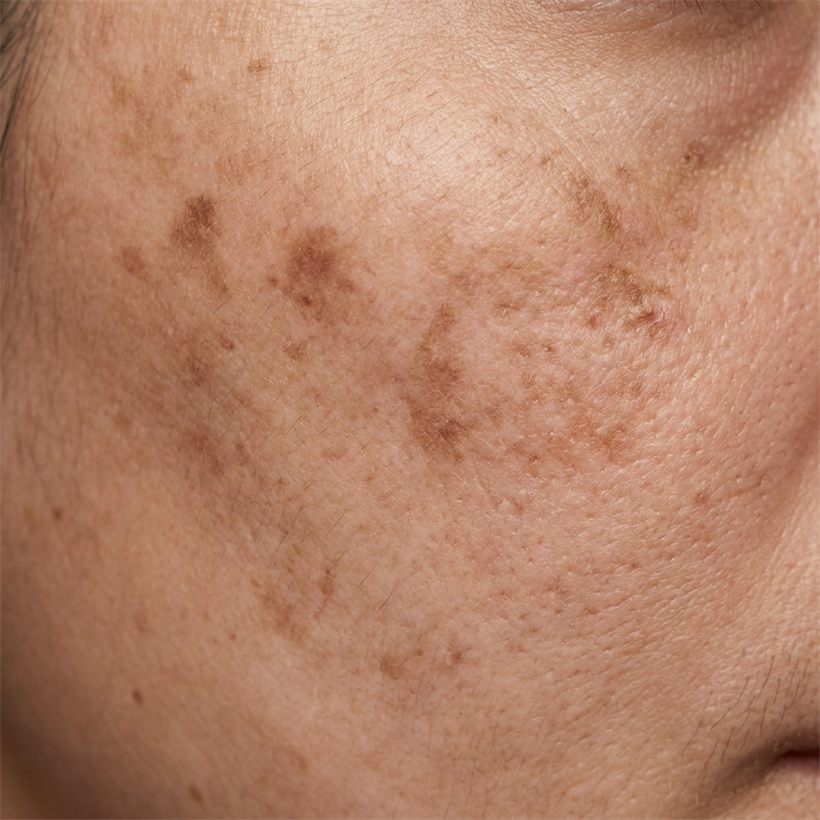
Here is the part that gets missed: deeply pigmented skin is more prone to pigmentary problems, not less. Melanocytes in brown skin are more reactive. Any insult — sun, a pimple, an insect bite, a scratch — triggers a pigment response that lingers for months. That is why post-inflammatory hyperpigmentation and melasma are so much more common and stubborn here than sunburn is.
So the reason to wear sunscreen in Kannur is not to avoid turning red. It is to avoid tanning, patchiness, melasma, dark marks that never fade, and the slow textural ageing that UVA drives.
"The monsoon means I can stop"
UVB — the burning wavelength — does drop when it is cloudy. UVA does not, in any meaningful way. It passes through cloud cover, through window glass, and through most cotton clothing. UVA is the primary driver of pigmentation and collagen breakdown.
Practically: the months when my patients' tanning worsens most are the monsoon months, because they stop applying while the UVA exposure continues largely unchanged.
"Sunscreen will cause vitamin D deficiency"
This one deserves a careful answer, because vitamin D deficiency is genuinely widespread in India — including in Kerala, where sun exposure is abundant. That fact alone should tell you sunscreen is not the cause.
In real-world use, people apply roughly a quarter to a third of the tested amount, miss areas, and rarely reapply. Studies of regular sunscreen users have not shown clinically significant vitamin D deficiency resulting from use. Deficiency here is driven far more by indoor lifestyles, covering clothing, diet, obesity and darker skin needing longer exposure.
The sensible position: keep using sunscreen on your face and exposed areas, and if you are deficient, correct it with a tested supplement dose. Deliberately damaging your face to make vitamin D is a poor trade — it is by far the least efficient route to a nutrient you can take as a tablet.
How to read the label
| On the bottle | What it means | What to look for |
|---|---|---|
| SPF | Protection against UVB (burning) | 30 minimum; 50 for outdoor work, melasma, or post-procedure |
| PA+ to PA++++ | Japanese UVA rating | PA+++ or PA++++ |
| "Broad spectrum" | Covers UVA as well as UVB | Essential — a high SPF alone is not enough |
| Mineral / physical | Zinc oxide, titanium dioxide | Best for sensitive, reactive, or post-procedure skin. Can leave a white cast. |
| Chemical / organic | Avobenzone, octinoxate, newer filters | Lighter feel, no white cast — usually more wearable in our humidity |
| Hybrid | Both types combined | A good practical middle ground |
Going above SPF 50 buys very little extra: SPF 30 blocks about 97% of UVB, SPF 50 about 98%. The difference between a good product and a great one is far smaller than the difference between applying enough and applying too little.
The quantity problem — this is the real issue
SPF values are measured at 2 mg of product per square centimetre of skin. Almost nobody applies that much. Apply a quarter of the dose and you do not get a quarter less protection — you get disproportionately less, often landing an SPF 50 product in the SPF 10 range.
How much to actually use
- Face: two full finger-lengths of product, squeezed along the index and middle fingers.
- Face and neck: add a third finger-length. The neck and chest are where I see the worst neglected sun damage.
- Also cover: ears, the back of the neck, the hairline and parting, and the backs of the hands and forearms.
- Reapply: every three to four hours outdoors, or after heavy sweating or swimming. Indoors away from windows, once in the morning is reasonable.
If two finger-lengths feels like a lot, that is the point — most people have been using a fraction of it for years.
Reapplying over makeup
This is the practical barrier for most working women, and the answer is a powder or stick SPF, or a spray held close and applied generously. Not ideal in coverage terms, but far better than the common alternative of not reapplying at all.
Choosing one for Kerala's humidity
The best sunscreen is the one you will actually wear daily. In 85% humidity, that rules out most thick creams.
- Oily or acne-prone skin: a gel, fluid, or matte-finish formula, labelled non-comedogenic. Look for "oil-free".
- Dry skin: a cream or lotion base is fine and doubles as your moisturiser.
- Sensitive or rosacea-prone: mineral filters, fragrance-free.
- Melasma or pigmentation: look for a tinted sunscreen with iron oxides. Visible light also drives melasma, and iron oxides block it in a way clear sunscreens do not. This is a genuinely underused advantage.
- Deeper skin tones: tinted or chemical formulas avoid the grey cast that high-zinc products leave.
Sunscreen is not the whole strategy
It is one layer. The others cost nothing:
- Avoid direct sun between 10am and 4pm where you can.
- A wide-brimmed hat outperforms any sunscreen on the forehead and nose.
- Sunglasses protect the thin, delicate under-eye skin — and reduce the squinting that etches crow's feet.
- An umbrella is completely normal here and works extremely well.
- Long sleeves in light, tightly woven fabrics.
- Car and office windows block UVB but not all UVA. Long daily drives cause measurably more damage on the driver's side.
Common mistakes I see weekly
- Applying sunscreen only before going out, never on ordinary indoor days near windows.
- Using last year's opened bottle — filters degrade, and heat in a Kerala bathroom accelerates it.
- Skipping the neck, ears and hands entirely, then wondering why the face no longer matches.
- Relying on the SPF in a moisturiser or foundation. The amount applied is far too small to reach the labelled protection.
- Assuming a "waterproof" claim means no reapplication. It means water-resistant for 40 or 80 minutes, tested.
Children and sunscreen
Below six months, keep babies out of direct sun and use clothing and shade rather than sunscreen. From six months onwards a mineral sunscreen on exposed areas is appropriate. Childhood sun exposure contributes substantially to lifetime photoageing, and habits set early tend to stick.
What to expect from doing this properly
Nothing dramatic in week one — that is the difficulty with prevention. Over three to six months, though: less tanning, marks fading rather than accumulating, melasma treatment that finally holds, and a slower drift in texture over the years.
Every pigmentation treatment I offer — peels, lasers, prescription creams — is substantially undone without daily sunscreen. It is the foundation the rest sits on, not an optional extra at the end.
Frequently asked questions
SPF 30 is the sensible minimum for indoor days; SPF 50 with PA+++ or PA++++ if you work outdoors, have melasma, or have had a recent procedure. Broad-spectrum coverage matters more than chasing a higher SPF number.
Real-world sunscreen use has not been shown to cause clinically significant vitamin D deficiency, largely because people apply far less than the tested amount. Deficiency in India is driven mainly by indoor living, diet and covering clothing. If you are deficient, supplement — do not stop protecting your face.
Two full finger-lengths for the face, and a third for the neck. Most people apply about a quarter of this, which drops the real protection dramatically below the number on the bottle.
Yes to both if you sit near windows or go outside at all. UVA penetrates cloud and glass, and it is UVA that drives tanning, pigmentation and ageing. Monsoon is when I see the most avoidable tanning, because people stop applying.
A gel, fluid or matte-finish formula that is oil-free and labelled non-comedogenic. Thick mineral creams tend to feel heavy and clog in Kerala's humidity.
Often yes. Tinted sunscreens containing iron oxides also block visible light, which independently worsens melasma — protection that clear sunscreens do not provide.