How to get glowing skin naturally
Almost everyone who walks into my clinic asking for "glow" is really asking for one of five separate things. Once you know which one you have, the fix is usually simple — and it is never a fairness cream.

"Doctor, enikku glow venam." I hear it several times a day. It is the single most common request in my practice in Kannur — and also the most misunderstood one, because "glow" is not a medical condition. It is a visual impression. Understanding what creates that impression is the entire game.
What "glow" actually means
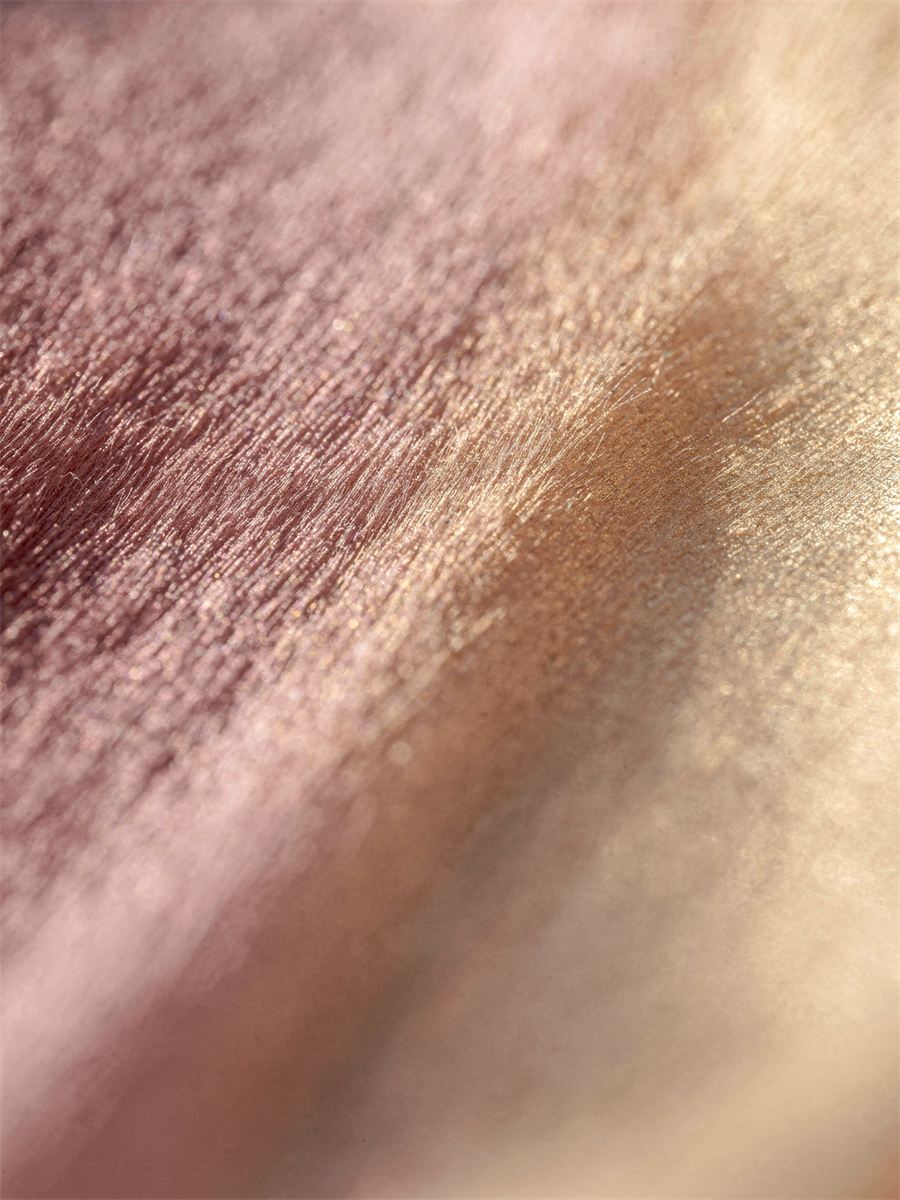
Skin looks radiant when light hits it and reflects back evenly. That is it. Nothing more mystical than physics. Four things break that even reflection:
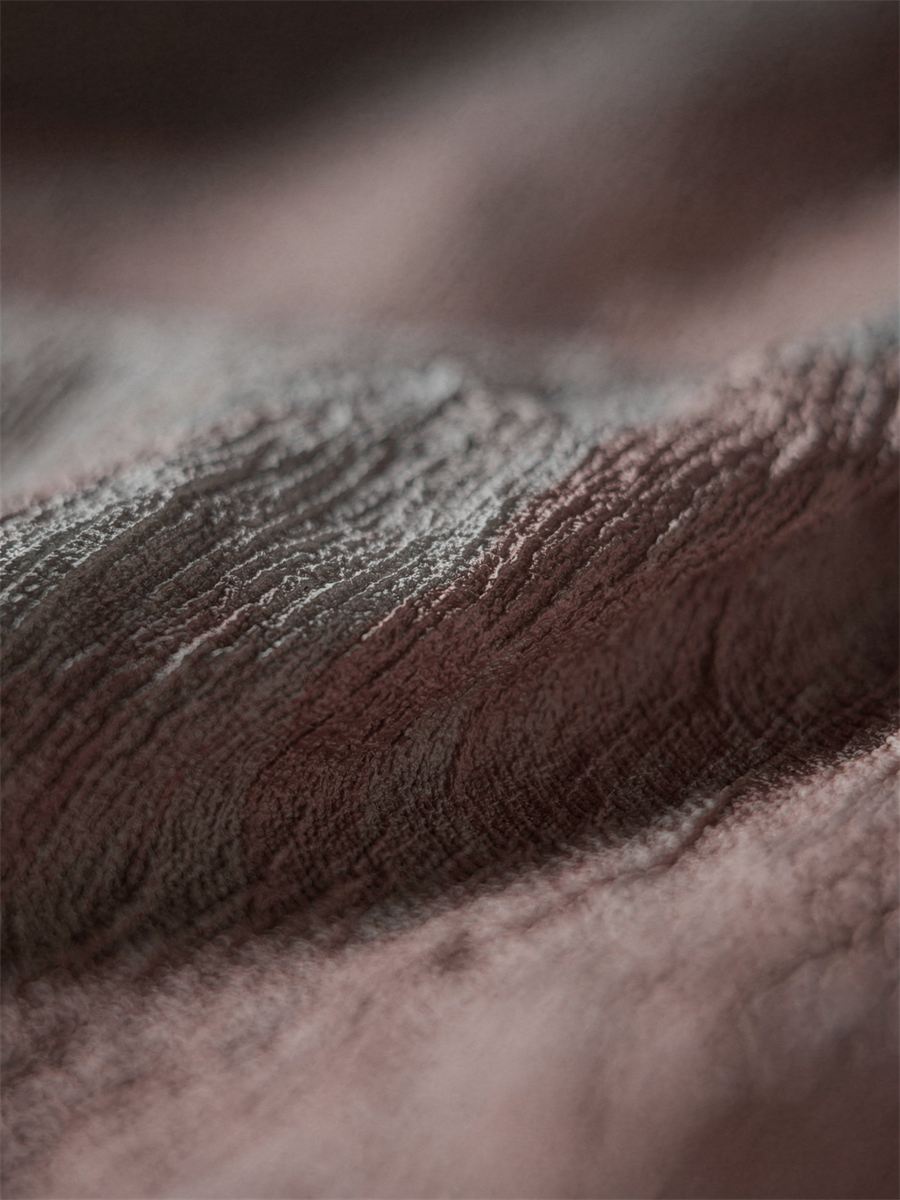
- Rough texture. Dead cells piled on the surface, open pores, tiny bumps and old acne scarring scatter light in every direction instead of bouncing it back at you.
- Uneven colour. Tan patches, old pimple marks, melasma and dark circles create a patchy canvas. Patchy always reads as "dull", even when the skin is perfectly healthy.
- Dehydration. A water-starved surface layer looks flat and grey. Plump cells are slightly translucent and reflect light beautifully.
- Inflammation. Any low-grade redness — from over-scrubbing, from acne, from an irritated barrier — muddies the tone.
Notice what is not on that list: your natural skin colour. A deep brown complexion glows exactly as much as a fair one when it is smooth, even and hydrated. Melanin is not the enemy of glow. This distinction matters enormously in Kerala, where an entire industry has spent decades deliberately blurring the two.
The one-line summary
Glow = smooth texture + even tone + good hydration + no inflammation + sun protection. Every genuine treatment works on one of those five. Anything promising to change your base colour is selling you something else entirely.
The five things that actually create glow
1. Sun protection — the single highest-return habit
If you do only one thing from this article, do this one. Kannur sits at roughly 12° north latitude. Our ultraviolet index crosses 11 — the "extreme" band — for much of the year, including on overcast monsoon days, because UVA passes straight through cloud cover and window glass.
UVA is what drives tanning, uneven pigmentation, collagen breakdown and the slow loss of firmness. You cannot out-serum daily sun exposure. Every brightening product you buy is working against a headwind until you close this gap.
Use a broad-spectrum sunscreen at SPF 30 or above, every single morning, rain or shine. In our humidity, gel and "fluid" textures are far more wearable than the thick white creams — and a sunscreen you actually apply beats a technically superior one sitting unused in a drawer. Reapply every three to four hours if you are outdoors. I go into quantity, reapplication and the vitamin D question in detail in the sunscreen guide.
2. A barrier that is intact
Your outermost layer is a brick wall — cells held together by lipid mortar. When that mortar is stripped, water escapes, irritants get in, and skin turns dull, tight and reactive.
What strips it, in order of how often I see it: harsh foaming face washes used three or more times a day, physical scrubs with gritty particles, "multani mitti" and other clay packs used daily, lemon juice, baking soda, toothpaste on pimples, and stacking four active ingredients at once because four influencers each recommended one.
The repair is unglamorous and effective: a gentle non-foaming or low-foaming cleanser twice daily, a moisturiser with ceramides, glycerin or hyaluronic acid, and nothing else for two weeks. Most "dull skin" I see is simply an over-treated barrier. It comes back on its own once you stop attacking it.
3. Controlled cell turnover
Dead cells need to leave — but chemically, gently, not by sanding your face. Two families do this well:
| Ingredient | Best for | How to start |
|---|---|---|
| Glycolic / lactic acid (AHA) | Dullness, rough texture, superficial marks | 5–8%, twice a week at night, build up slowly |
| Salicylic acid (BHA) | Oily skin, blackheads, clogged pores | 1–2%, alternate nights |
| Retinoids (retinol, adapalene) | Texture, pores, fine lines, acne, marks | Lowest strength, twice a week, moisturiser on top |
Retinoids are the most evidence-backed topical we have for texture and tone together. They are also the most commonly abused — people start nightly at high strength, peel, panic, and abandon them. Start twice a week. Expect six to eight weeks before you see anything. That slowness is not a flaw; it is what safe remodelling looks like.
4. Pigment control, where it is genuinely needed
If your dullness is really patchiness — old acne marks, tanning, melasma — you need ingredients that interrupt pigment production, not exfoliation alone. Niacinamide, azelaic acid, vitamin C, alpha arbutin, tranexamic acid and kojic acid all have real evidence behind them, with very different strengths for different problems.
Prescription options such as hydroquinone work faster but need medical supervision and a defined stopping point — used unsupervised for months, hydroquinone can cause a stubborn blue-grey discolouration called ochronosis. This is exactly the sort of thing that goes wrong when a cream is bought on a friend's recommendation instead of a diagnosis.
5. Sleep, iron, and the boring internal factors
I am not going to pretend a green juice will transform your face. But three internal issues show up on skin reliably enough that I test for them:
- Iron deficiency anaemia — extremely common in Indian women, and a genuine cause of pallor, dark under-eyes and hair fall together.
- Uncontrolled blood sugar and PCOS — drive oil production, adult acne, and the velvety dark patches on the neck and underarms.
- Thyroid disorders — cause dryness, puffiness and diffuse hair thinning.
Chronic sleep deprivation is separate but real: it raises cortisol, worsens inflammatory conditions such as acne, eczema and psoriasis, and shows up as under-eye shadowing within days.
What to stop doing today
Myth — Lemon juice brightens skin
Lemon juice is pH 2 and phototoxic. On South Indian skin under South Indian sun it reliably causes irritation followed by darker patches — the exact opposite of the goal. I see this weekly.
Instead
A formulated vitamin C serum at a controlled pH, or azelaic acid.
Myth — Fairness creams give glow
Many creams sold in this category — particularly unbranded ones and imported "night creams" — contain undisclosed potent steroids, mercury or high-dose hydroquinone. Steroids thin the skin, cause permanent visible capillaries, and produce a dependent, burning, flushed face that is very hard to reverse.
Instead
Treat the actual pigmentation problem. Read brightening versus fairness before you buy anything.
Myth — Coconut oil is good for every face
It is a Kerala reflex, and it is fine on hair and body. On the face it is comedogenic for most people and, importantly, it feeds Malassezia — the yeast behind the itchy uniform bumps that get misdiagnosed as acne in our humidity.
Instead
A light non-comedogenic gel moisturiser.
Myth — More scrubbing, more glow
Scrubbing removes the barrier, triggers inflammation, and in acne-prone skin spreads bacteria into surrounding follicles. The temporary pinkness that looks like glow is irritation.
Instead
Chemical exfoliation two to three times a week, maximum.
A realistic timeline
This is where most people give up too early. Skin does not respond on a weekly cycle — it responds on a cell-turnover cycle of roughly 28 to 40 days, and slower as you age.
| Timeframe | What genuinely changes |
|---|---|
| 1–2 weeks | Hydration and comfort. Skin feels less tight, looks slightly plumper. No pigment change yet. |
| 4–6 weeks | Texture begins smoothing. Fewer new breakouts if acne was the issue. |
| 8–12 weeks | Visible fading of marks and tan. This is the first point at which photographs show a difference. |
| 4–6 months | Melasma and deeper pigmentation respond. Collagen benefits from retinoids begin. |
See a dermatologist rather than self-treating if
- You have used any unlabelled cream for more than a few weeks, or your face burns and flushes when you stop one.
- Pigmentation is spreading symmetrically across the cheeks and forehead — that is likely melasma, which self-treatment usually worsens.
- You have acne that leaves marks or pits, rather than clearing cleanly.
- Dullness comes with hair fall, fatigue or weight change — that combination needs blood tests, not a serum.
The honest conclusion
Glow is a by-product, not a product. Protect the skin from the sun, stop damaging the barrier, exfoliate gently, treat pigment properly, and fix the internal deficiencies — and the radiance appears on its own, because you have removed everything that was scattering the light.
There is no cream that grants it in a week. Anyone promising that in Kannur, Thalassery or anywhere else is describing a steroid, and you will pay for it later.
Frequently asked questions
Hydration improves within one to two weeks, texture in four to six, and pigmentation in eight to twelve weeks or more. Skin renews on a 28–40 day cycle, so any honest plan is measured in months, not days.
You can improve it substantially with sun avoidance, sleep, treating anaemia or thyroid problems, and stopping whatever is irritating your skin. But sunscreen and a moisturiser are the two products I would not skip — they do the majority of the work.
No, and this is the most important distinction in this article. Glow is even, smooth, hydrated skin reflecting light uniformly. It is entirely independent of your melanin level. Deep skin tones glow just as brightly.
Adequate hydration matters for general health, but in someone already drinking normally, extra water does not measurably change skin appearance. Topical moisturiser holds water in the surface layer far more effectively.
A salon facial gives a short-lived plumping and cleansing effect, typically lasting a few days. Medical treatments such as chemical peels or microneedling change texture and pigment structurally over weeks. Neither replaces a daily routine and sunscreen.
No. They are pleasant and can help with congestion, but they are not required for healthy skin, and aggressive salon extractions or steam on acne-prone skin often cause more marks than they clear.