Microneedling and collagen induction
Microneedling is my usual first choice for texture and scarring in Indian skin, for one specific reason: it works through injury rather than heat or light, so the pigmentation risk is much lower than with lasers.
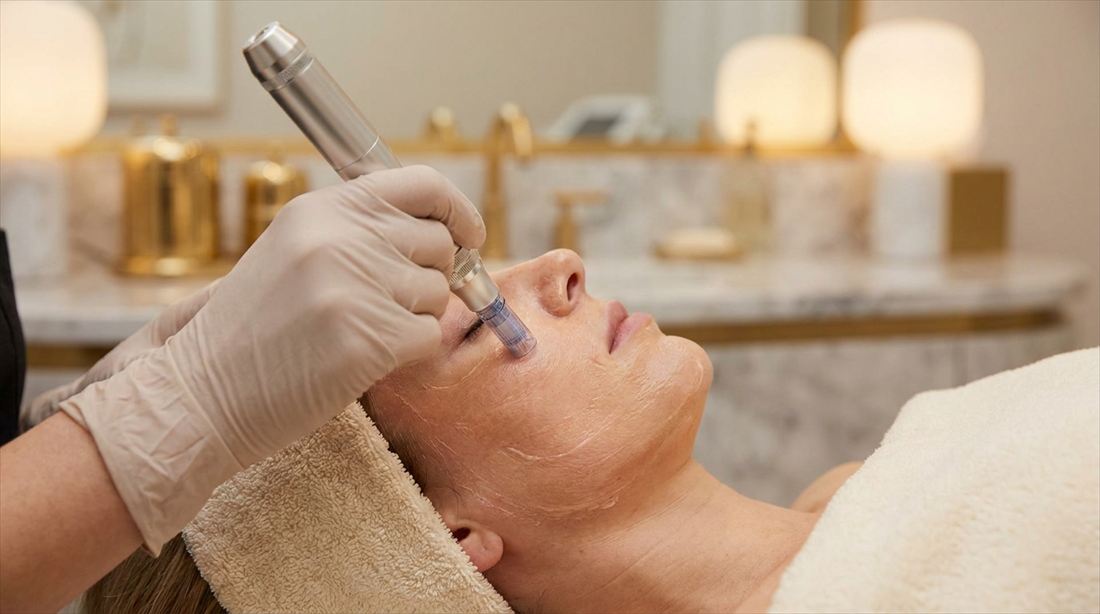
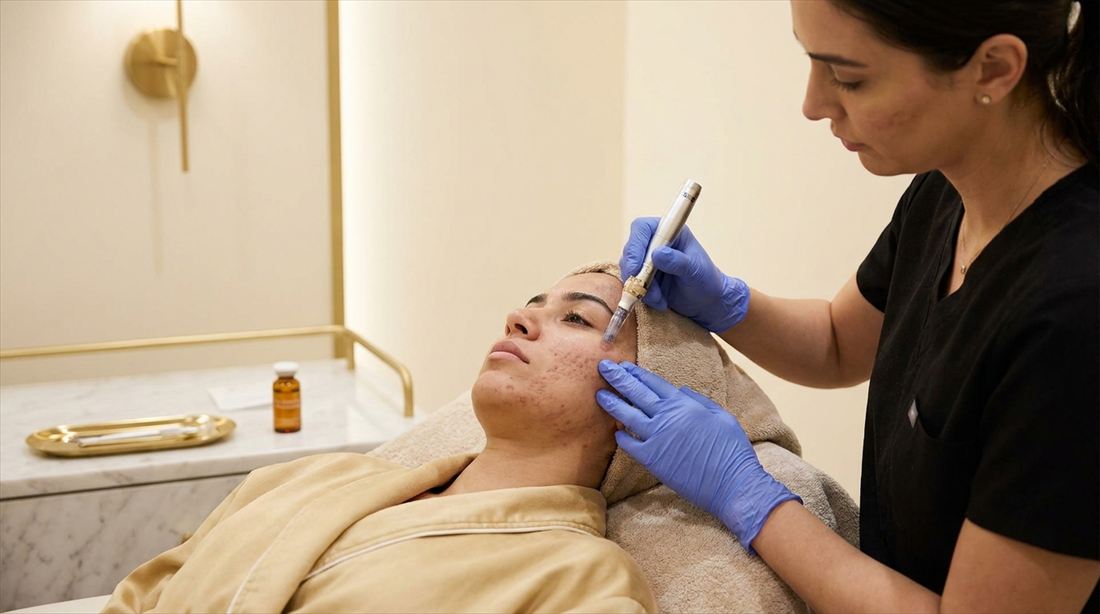
Microneedling — also called collagen induction therapy — uses fine needles to create thousands of controlled micro-channels in the skin. The body responds by producing new collagen and elastin as it repairs them. There is no heat and no light, which is exactly why it carries a lower pigmentation risk in skin types IV to VI than laser resurfacing does.
What it genuinely improves
| Concern | Expected benefit |
|---|---|
| Rolling and shallow boxcar acne scars | Good — especially combined with subcision |
| Enlarged pores and rough texture | Good |
| Fine lines and early laxity | Moderate |
| Stretch marks | Moderate, better on newer red marks than old white ones |
| Overall skin quality and firmness | Moderate, cumulative across sessions |
| Hair loss (scalp, with minoxidil) | Reasonable evidence as an adjunct |
| Narrow icepick scars | Poor — these need TCA CROSS instead |
| Melasma | Use with caution; can worsen it. Not a first-line choice. |
| Active inflammatory acne | Contraindicated — it spreads infection |
Microneedling versus RF microneedling
Standard microneedling creates channels mechanically. Radiofrequency microneedling adds heat energy through insulated needle tips, delivering thermal stimulation at a chosen depth. That extra energy means better results for deeper boxcar scars and more skin tightening, at the cost of a bit more downtime and higher price. For deep scarring or laxity, RF is usually the better investment; for texture, pores and general quality, standard microneedling is often enough.
What a session involves
- Numbing cream for 30 to 45 minutes. This matters — the procedure is genuinely uncomfortable without it.
- The pass. A motorised pen at a depth chosen per area — shallower on the forehead and around the eyes, deeper on scarred cheeks. Pinpoint bleeding at the correct depth is expected and normal.
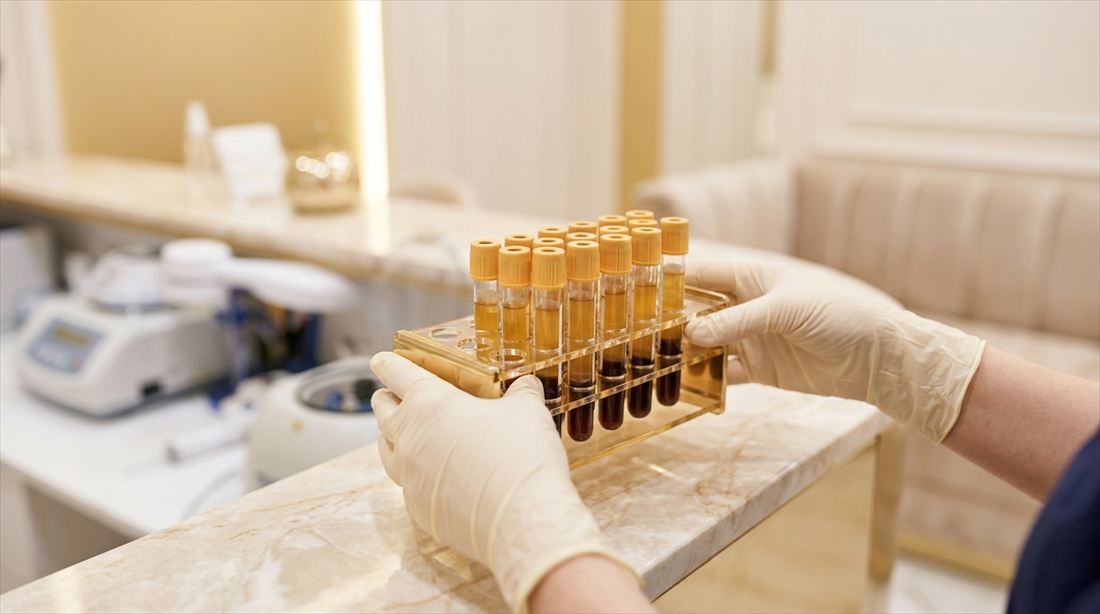
- Optional add-ons. PRP, tranexamic acid, or growth-factor serums applied so they absorb through the channels. Never allow a random cosmetic serum to be applied during microneedling — the channels bypass the barrier and can drive irritants deep, causing granulomas. Only sterile, injection-grade products belong here.
- Aftercare. Plain moisturiser and sunscreen. Nothing else for 48 hours.
Downtime: significant redness like sunburn for 24 to 48 hours, mild swelling on day one or two, and light flaking around day three to five. Most people are presentable by day three, so plan around events.
Realistic results
- Four to six sessions, four to six weeks apart.
- Collagen keeps remodelling for three to six months after the last session — the final result comes well after your final appointment.
- 50 to 70 percent improvement in scarring across a full course is a realistic good outcome.
- Combination beats repetition: subcision for tethered scars, TCA CROSS for icepicks, microneedling for the general field.
About at-home derma rollers
I see a steady stream of problems from these, so let me be direct. The issues are: needles blunt quickly and then tear rather than puncture; home devices cannot be properly sterilised, so infection and hepatitis risk is real if shared; rolling drags the needles sideways, creating tracks rather than clean channels; people use them on active acne and spread it; and applying vitamin C or random serums immediately afterwards drives irritants through a broken barrier.
If you want to use something at home, a very short 0.25 mm device improves product absorption and is relatively low risk. Anything 0.5 mm or above should be done professionally. Depths of 1.5 mm and above on your own face at home is how people end up with tracked scarring — which is harder to treat than what they started with.
Who should not have it
Avoid with active acne or any skin infection, active herpes, a history of keloids, isotretinoin within the last six months, bleeding disorders or anticoagulant use, uncontrolled diabetes, pregnancy, and active eczema or psoriasis in the area. Melasma needs caution rather than an absolute no.
Choosing where to have it done
Microneedling is widely offered in salons and by non-medical practitioners, and this is where most complications originate. What matters: single-use sterile needle cartridges opened in front of you, a practitioner who can explain the depth chosen for each area, sterile products only, and medical supervision. The device brand matters less than who is holding it and what they know.
Ask what depth they will use and why. If the answer is vague, or the same depth is used across the whole face, that is a reasonable signal to go elsewhere.
Frequently asked questions
Yes, and it is one of the safer resurfacing options for skin types IV to VI, because it works through controlled mechanical injury rather than heat or light. That gives it a lower pigmentation risk than laser resurfacing.
Four to six sessions, four to six weeks apart, with 50 to 70 percent improvement a realistic outcome. Collagen continues remodelling for three to six months after the last session, so the final result appears well after treatment ends.
Mostly not. Needles blunt and tear rather than puncture, home devices cannot be properly sterilised, rolling creates tracks rather than clean channels, and applying serums afterwards drives irritants through a broken barrier. A 0.25 mm device is relatively low risk; anything 0.5 mm and above should be professional.
Standard microneedling creates channels mechanically. RF microneedling adds heat at a chosen depth through insulated needles, giving better results for deeper boxcar scars and more skin tightening, with slightly more downtime and higher cost.
Redness like sunburn for 24 to 48 hours, mild swelling on day one or two, and light flaking around day three to five. Most people are presentable by day three, so plan around important events.
No. It is contraindicated on active inflammatory acne because the needles can spread infection across the skin. The acne must be controlled before scar treatment begins.