Hair fall: finding the actual cause
Hair fall is the second most common reason people come to see me, and the one where the most money goes on oils and shampoos that were never going to work. Almost all of it comes down to one distinction.

First, some reassurance about numbers. Shedding 50 to 100 hairs a day is entirely normal — each follicle cycles through growing, resting and shedding phases independently. Seeing hair on your pillow or in the bathroom is not by itself a problem.
The distinction that decides everything
Shedding or thinning?
Shedding (telogen effluvium): a lot of hair coming out all over the scalp, usually starting two to three months after a trigger — illness, fever, surgery, childbirth, crash dieting, severe stress. The hair density is still normal; you are just losing more at once. This recovers.
Thinning (pattern hair loss): gradual reduction in hair calibre and density in specific areas — a widening parting, a receding hairline, a thinning crown. Individual hairs get finer. This is progressive and needs ongoing treatment.
Both can happen at once, which is why people get confused. The practical test: part your hair in the middle and compare the width of the parting to a photo from two years ago. If the parting has widened, that is pattern loss, whatever else is also going on.
Causes worth investigating
In my practice in Kannur, these are what actually turn up on testing, and they turn up often:
- Iron deficiency. Extremely common in Indian women. Ferritin below 30 ng/mL is associated with hair loss even when haemoglobin is normal — so a "normal" haemoglobin report does not rule it out. This is the single most common finding I see.
- Thyroid disease. Both under- and overactive thyroid cause diffuse thinning.
- Vitamin D deficiency. Widespread here despite the sunshine.
- Vitamin B12 deficiency. Common in vegetarian diets.
- PCOS. Causes pattern thinning at the crown in women, often with acne and irregular cycles.
- Protein malnutrition. Seen more often than you would expect, especially with restrictive weight-loss diets.
- Post-viral and post-fever shedding. Very common two to three months after any significant illness, including dengue — which we see plenty of here.
- Medications — some blood pressure drugs, antidepressants, retinoids, anticoagulants.
Tests worth asking for
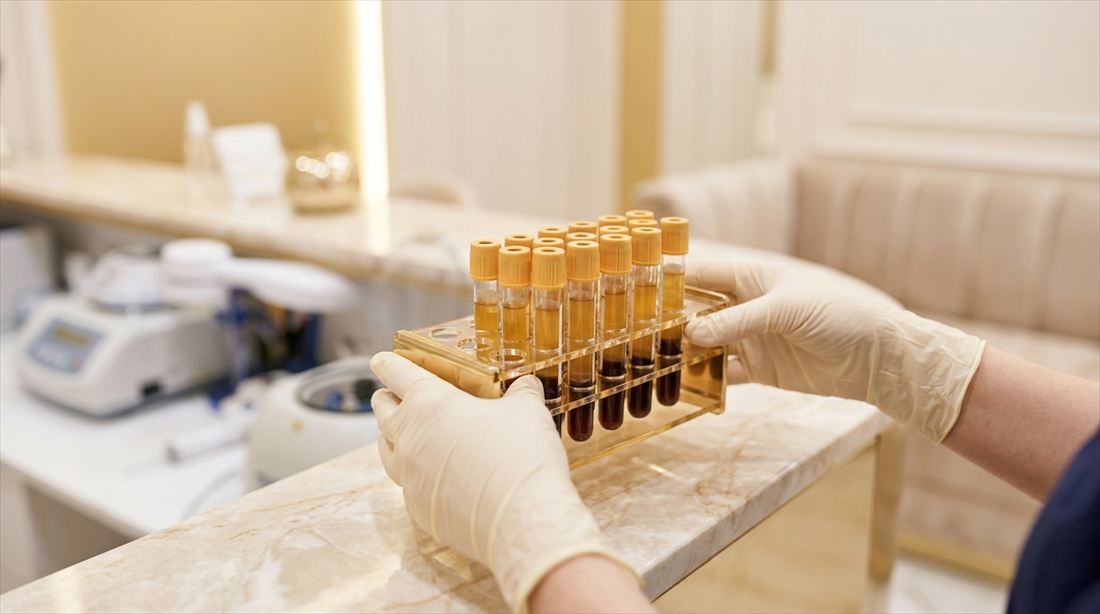
Complete blood count, serum ferritin (not just haemoglobin), TSH with free T4, vitamin D, vitamin B12. Add testosterone, DHEAS, LH/FSH and prolactin in women with irregular periods, acne or excess facial hair. A dermatologist should also examine your scalp directly and do a pull test — the scalp itself tells you a great deal that blood cannot.
Treatments with real evidence
Minoxidil
Topical minoxidil (2% or 5%) is the best-evidenced non-prescription treatment for pattern hair loss. Applied to the scalp, not the hair, once or twice daily. Three important things people are rarely told:
- It takes four to six months to judge. Nothing visible before three.
- There is often a temporary increase in shedding in the first four to six weeks as resting follicles are pushed into a new growth cycle. This is expected, not a reaction.
- It works only while you use it. Stopping means losing the gains over the following months. That is worth deciding on before you begin.
Oral treatments
Finasteride and dutasteride block DHT and are effective for male pattern loss; used off-label in some women, but never in pregnancy or in women who might conceive. Oral minoxidil at low dose is increasingly used under supervision. Spironolactone helps women with a hormonal pattern. All of these need a prescription and a proper discussion of side effects — please do not start them from an internet recommendation.
Procedures
PRP has moderate evidence as an adjunct — see the PRP guide for what it can and cannot do. Microneedling combined with minoxidil has reasonable supporting data. Hair transplant is the definitive option for established baldness, but it is surgery, and it works best when the remaining hair is medically stabilised first.
Correcting deficiencies
If ferritin, thyroid, vitamin D or B12 are abnormal, correcting them properly is essential — and often produces good recovery on its own in shedding-type loss. Note that supplements only help if you are actually deficient. Taking biotin without a deficiency does nothing for hair, and it interferes with thyroid and cardiac blood tests, which causes real diagnostic confusion.
What does not work
- Oiling to prevent hair fall. Oil can reduce breakage and improve manageability — genuinely useful — but it does not affect follicles beneath the scalp, so it cannot influence pattern loss or shedding. Heavy oiling with vigorous massage can worsen fall in some people, and in Kerala's humidity it contributes to seborrhoeic dermatitis.
- "Anti-hair-fall" shampoos. A shampoo is on the scalp for a minute. Treating dandruff genuinely helps, but no shampoo regrows hair.
- Onion juice, garlic, egg masks, rice water. Little to no evidence; onion juice has one small weak study and frequently causes irritation.
- Biotin megadoses without a documented deficiency.
When to see a doctor promptly
Hair loss with a visibly red, scaly, painful or itchy scalp, or with smooth bald patches, or with scarring where the follicle openings have disappeared — these need urgent assessment. Scarring alopecias such as lichen planopilaris destroy follicles permanently, and treatment is about stopping progression, so time genuinely matters. Sudden patchy loss suggests alopecia areata, which is treatable.
Otherwise: if hair fall has continued beyond three months, or your parting is widening, get tested rather than working through more shampoos. Pattern loss responds far better when treated early, while there are still follicles to save.
Frequently asked questions
Fifty to a hundred hairs a day is normal, since follicles cycle independently. What matters is whether density is dropping — compare your parting width to a photo from a year or two ago.
Complete blood count, serum ferritin, TSH with free T4, vitamin D and vitamin B12. Ferritin matters especially — levels below 30 are linked to hair loss even when haemoglobin is normal. Women with irregular periods or acne should add hormonal tests.
Oil reduces breakage and improves manageability, which is genuinely useful, but it cannot reach the follicle to affect pattern loss or shedding. Heavy oiling with vigorous massage can worsen fall, and in humid weather it contributes to seborrhoeic dermatitis.
Four to six months for a fair assessment, with nothing visible before three. Expect a temporary increase in shedding in the first four to six weeks — that is the expected response, not a reaction. It works only while you continue using it.
No. Telogen effluvium typically starts two to three months after a fever, illness, surgery or childbirth and recovers over six to nine months once the trigger has passed. Correcting iron and thyroid problems speeds recovery.
Only if you are genuinely deficient, which is uncommon. Biotin also interferes with thyroid and cardiac blood tests, which can cause misleading results, so it should not be taken casually before investigations.