Laser toning on Indian skin
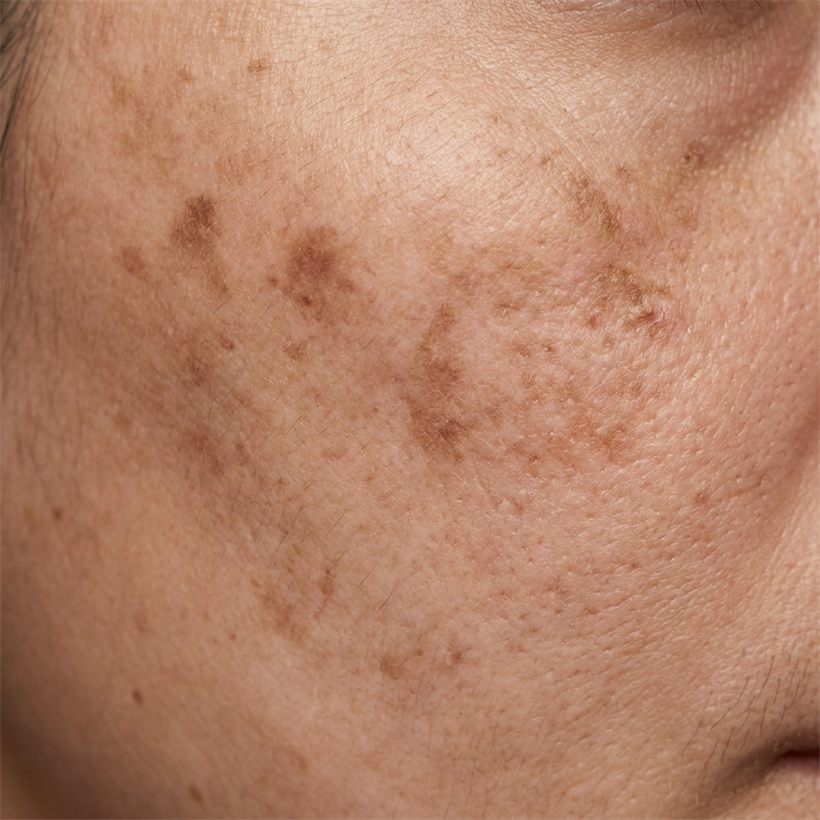
Laser toning genuinely helps stubborn pigmentation. It is also the procedure where I see the most complications in brown skin, almost always from aggressive settings or from being used instead of, rather than alongside, proper treatment.
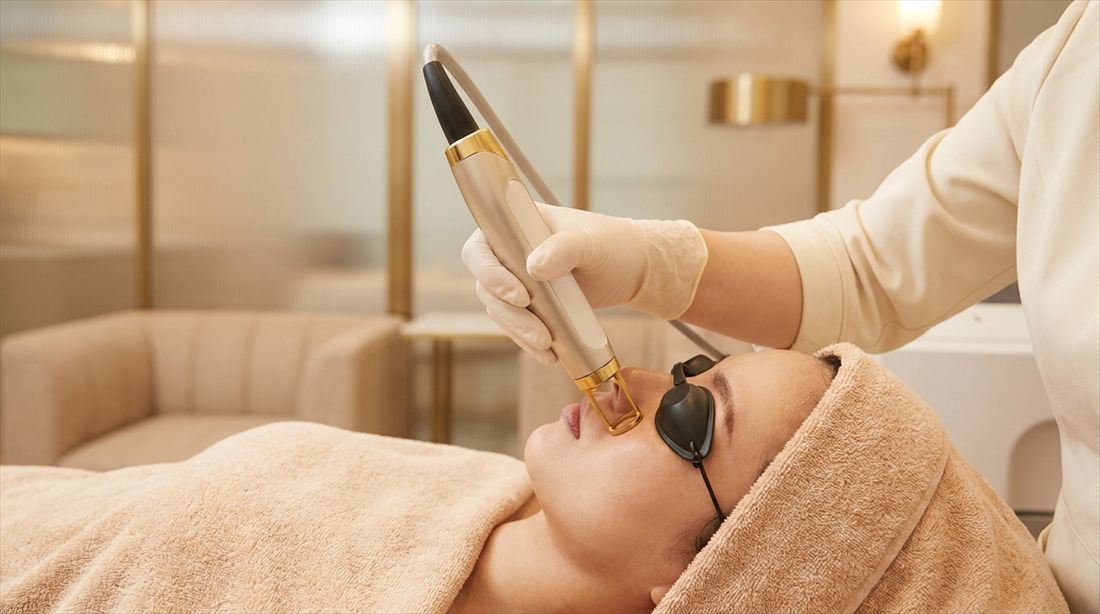
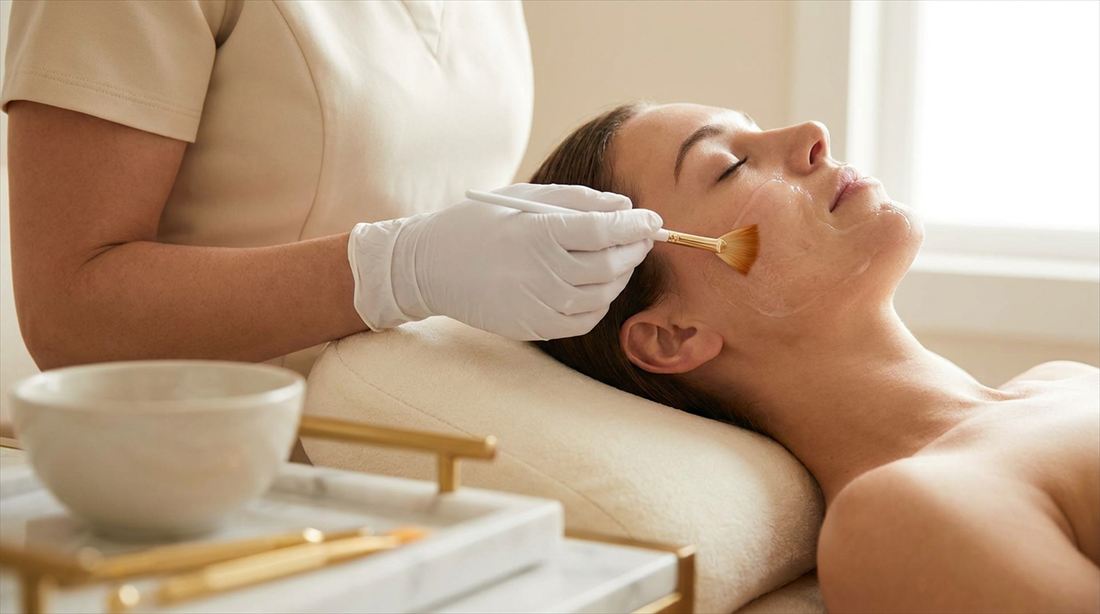
Laser toning uses a Q-switched Nd:YAG laser at low fluence — deliberately gentle energy — delivered over multiple sessions. The idea is to fragment melanin gradually and reduce melanocyte activity without causing the inflammation that would trigger fresh pigmentation. That last part is the whole design principle, and it is why "more powerful" is not better here.
What it helps
| Condition | Response |
|---|---|
| Melasma resistant to creams | Moderate, as an adjunct only. Relapse is common. |
| Post-inflammatory hyperpigmentation | Moderate to good |
| Stubborn tanning and uneven tone | Good |
| Freckles and sun spots | Good, often with higher-fluence spot treatment |
| Enlarged pores and oiliness | Mild improvement, a useful side benefit |
| Naevus of Ota, dermal melanocytosis | Good, but needs many sessions |
| Tattoo removal | Yes, but at much higher fluence — a different treatment |
| Active acne or inflammation | Not appropriate |
What a course looks like
- Sessions: six to ten, one to two weeks apart. Toning specifically relies on repetition at low energy, so a short course will underwhelm.
- Each session: 15 to 30 minutes. Mild warmth and a snapping sensation; usually tolerable without anaesthetic.
- Downtime: minimal. Mild redness for a few hours.
- Results: gradual, visible from around the third or fourth session.
- Maintenance: usually needed, since melasma in particular relapses.
The real risks in skin types IV to VI
- Post-inflammatory hyperpigmentation — the treatment causing the very problem it was meant to treat. The most common complication.
- Guttate hypomelanosis — small permanent white spots from repeated or excessive toning. This is the complication I most want people to know about, because it is difficult to reverse and it is caused by overtreatment.
- Rebound hyperpigmentation after stopping.
- Burns and blistering from incorrect settings.
- Paradoxical worsening of melasma with aggressive parameters.
Every one of these is largely operator-dependent. This is not a treatment to choose on price.
How to reduce your risk
- Get a diagnosis first. Laser is wrong for some pigmentary conditions and will worsen them — lichen planus pigmentosus and ochronosis in particular.
- Do the topical treatment and sun protection first, for at least four to eight weeks. Laser on unprepared skin gives worse results.
- A test patch in a discreet area before treating the full face.
- Ask who operates the device — a dermatologist or a trained technician under medical supervision, and how experienced they are with your skin type specifically.
- Strict sunscreen throughout and for months afterwards. Non-negotiable, and the main determinant of your outcome.
- Continue topical maintenance after the course, or the pigmentation returns.
Questions worth asking
Which laser and what wavelength. What fluence, and why that setting for my skin type. How many sessions before we reassess, and what happens if I develop pigmentation or white spots. Whether the clinic has managed those complications before.
A clinic offering "unlimited laser sessions" in a package, or claiming laser will permanently cure melasma, is describing something that does not exist. Melasma is a chronic relapsing condition; no laser cures it. Anyone saying otherwise either does not know that or is not telling you.
My honest position
I use laser toning, and it earns its place for pigmentation that has not responded adequately to creams and sun protection. But it sits third in the sequence, not first: sun protection, then topicals, then laser as an addition. Patients who arrive asking for laser as a shortcut past the first two steps get worse results and take on risk for no reason.
If your budget is limited, the order that gets the most improvement per rupee is unchanged: a good tinted sunscreen, then a properly chosen topical, then procedures.
Frequently asked questions
It can be, when done at low fluence by an experienced practitioner with strict sun protection. The risks in skin types IV to VI are real: post-inflammatory hyperpigmentation, rebound darkening, and permanent small white spots from overtreatment. Outcomes are heavily operator-dependent.
Six to ten sessions, one to two weeks apart, with visible change from around the third or fourth. Toning relies on repetition at low energy, so short courses underwhelm, and maintenance is usually needed afterwards.
No. Melasma is a chronic relapsing condition and no laser cures it. Laser toning can improve stubborn melasma as an adjunct to creams and sun protection, but relapse is common and maintenance is expected.
Guttate hypomelanosis — small permanent white spots caused by repeated or excessive toning. It is difficult to reverse, which is why conservative settings and an experienced operator matter more than price.
No. Sun protection comes first, then appropriate topical treatment for four to eight weeks, then laser as an addition. Laser on unprepared skin gives worse results and adds risk unnecessarily.
Most people find it tolerable without anaesthetic — mild warmth and a snapping sensation, with sessions of 15 to 30 minutes and only a few hours of mild redness afterwards.