Dark circles: four different problems
Dark circles are the complaint where I see the most wasted money. The reason is simple: four completely different causes look similar in the mirror, and each responds to a different treatment.

Before buying another eye cream, work out which type you actually have. There are two simple tests you can do at home in a mirror.
Two tests that identify the type
The stretch test. Gently stretch the skin under your eye sideways. If the darkness stays, it is pigment. If it fades or disappears, it is vascular — you were seeing blood vessels through thin skin.
The light test. Look in a mirror with light from directly in front, then with light from above. If the darkness looks much worse from above and better from the front, it is a shadow from hollowing or puffiness, not a colour problem at all.
Type 1: Pigmented (brown)
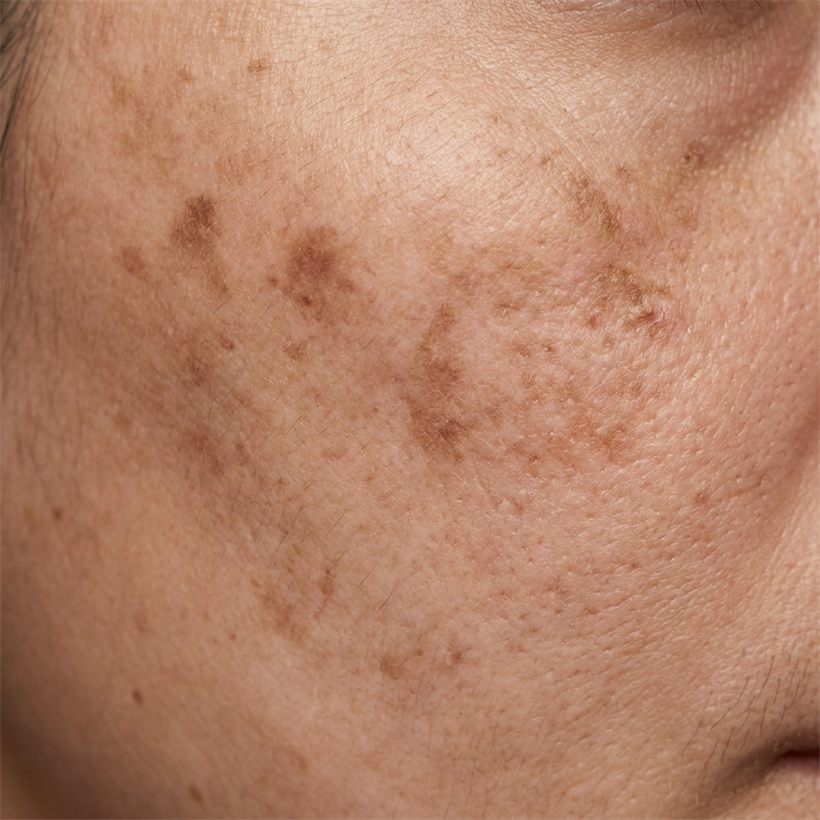
Genuine excess melanin in the under-eye skin. Common in Indian skin, often runs in families, and worsened by sun, rubbing and eczema. The stretch test keeps the colour.
What works: daily sunscreen extending to the under-eye area, and a gentle brightening agent — niacinamide, vitamin C, azelaic acid, or a low-strength retinoid introduced very carefully. Dermatologist-supervised superficial peels help. Expect three to six months.
Crucially: if you rub your eyes because of allergy or itching, that friction is driving the pigment. Treating the allergy does more than any cream.
Type 2: Vascular (blue, purple, pink)
Thin under-eye skin showing the vessels beneath. Worse with fatigue, dehydration, crying, nasal allergy and congestion. Fades on the stretch test.
What works: treating nasal allergy properly if present — this is frequently the missing piece, and antihistamines or a steroid nasal spray can visibly help. Sleep, hydration, reducing salt and alcohol. Caffeine-containing eye creams give a mild temporary effect. Vitamin K and peptide creams have weak evidence. For persistent cases, dermatologists can offer laser or, carefully, filler to thicken the area.
Honest note: vascular circles are the least responsive to creams of any type. Anyone claiming a cream will eliminate them is overselling.
Type 3: Structural (hollowing and puffiness)
A tear-trough groove or under-eye fat pad casting a shadow. There is no pigment problem at all. Worsens with age as fat and bone volume are lost. The light test gives it away.
What works: hyaluronic acid filler in the tear trough — the only genuinely effective option for hollowing, lasting nine to eighteen months. This is a delicate area where technique matters greatly; complications from poorly placed under-eye filler are serious. For true fat herniation causing bags, surgery (blepharoplasty) is the answer. No cream addresses either.
Type 4: Mixed
The most common in practice. Most people over 30 have some pigment, some vascular show-through and some early hollowing, which is exactly why single-product approaches disappoint. A combination plan is normal.
The medical causes worth excluding
Get blood tests if dark circles came with other symptoms
- Iron deficiency anaemia — very common in Indian women. Look for fatigue, breathlessness on stairs, hair fall, pale inner eyelids.
- Thyroid disorders — puffiness, dryness, weight and energy changes.
- Vitamin B12 or vitamin D deficiency.
- Chronic nasal allergy or sinusitis — the classic "allergic shiner" in children and adults.
- Kidney or thyroid disease where there is genuine persistent swelling rather than shadow.
If your dark circles appeared suddenly, or came with fatigue and hair fall, treat this as a general health question first and a cosmetic one second.
What genuinely helps everyone, whatever the type
- Seven to eight hours of sleep. Unglamorous, but the effect on vascular and shadow circles is visible within days.
- Sunscreen on the under-eye area. Most people stop at the cheekbone.
- Sunglasses. Reduce both UV and the squinting that thins this skin further.
- Stop rubbing. If you rub, find out why — it is usually allergy, dryness or eye strain.
- Treat the allergy. The single most under-used intervention for under-eye darkness.
What does not work
Cucumber slices, potato juice, cold spoons and tea bags produce a brief decongesting effect that lasts under an hour. Harmless, but not treatment. Almond oil and coconut oil massage do not lighten pigment and can cause milia around the eyes. Lemon juice near the eye is genuinely a bad idea — it is irritant and can cause pigmentation and eye injury.
And a broader point worth making: some degree of under-eye shadowing is a normal anatomical feature, not a disease. The under-eye skin is the thinnest on the body. The goal is improvement, and for structural types often camouflage and acceptance rather than elimination.
Frequently asked questions
Two home tests. Stretch the skin sideways: if the darkness stays it is pigment, if it fades it is vascular. Then compare light from the front versus above: if it looks much worse from above, it is a shadow from hollowing rather than colour.
Pigmented circles improve substantially over three to six months with sunscreen and brightening agents. Vascular ones respond only partially to creams. Structural hollowing responds well to filler but needs repeating. Complete permanent removal is uncommon, particularly for mixed types.
For pigmented circles, well-chosen actives help. For vascular and structural types, creams do very little — which is why most people find eye creams disappointing. Identifying the type first is what prevents wasted money.
Yes. Iron deficiency anaemia is a common and treatable cause, especially in Indian women, typically alongside fatigue and hair fall. If dark circles came with those symptoms, get blood tests before buying creams.
It worsens vascular and shadow types noticeably within days, through dilated vessels and fluid retention. It does not create true pigmentation, but the improvement from consistent sleep is real and quick.
It is effective for hollowing but it is a delicate area where technique matters greatly, and poorly placed filler can cause serious complications including vascular problems. It should only be done by an experienced medical practitioner, never at a salon.