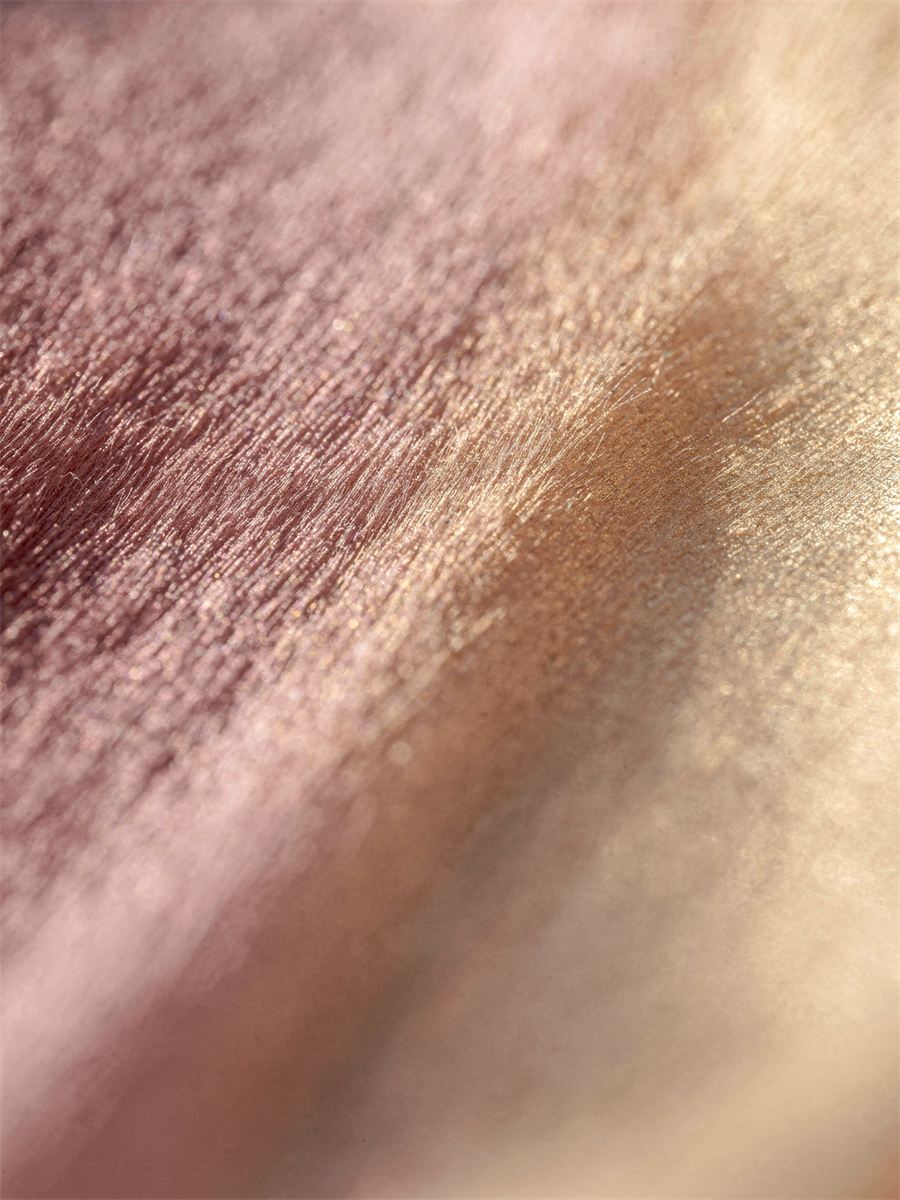
Why your skin looks dull
When someone tells me their skin looks dull, my first question is what they have been doing to it. More often than not, the dullness is a consequence of the effort rather than a lack of it.

Skin looks radiant when it reflects light evenly. Dullness means something is disrupting that. Here are the six causes, roughly in order of how often I see them.
1. A damaged barrier — the most common cause
This is the one people least expect, because it is caused by trying too hard. Over-cleansing, daily scrubs, clay packs, stacking four actives at once, or a strong retinoid used nightly from day one — all strip the lipid barrier. The result is skin that is simultaneously tight, flaky, reactive and grey.
The fix is a two-week reset: gentle non-foaming cleanser, a ceramide moisturiser, sunscreen, and nothing else. No acids, no retinoids, no scrubs. Most people are startled by how much better their skin looks after doing less. Reintroduce one active at a time afterwards.
2. Dehydration
Distinct from dry skin — this is a water problem, not an oil problem, and oily skin can be dehydrated. Skin looks flat and shows fine lines more.
The fix: humectants (glycerin, hyaluronic acid) applied to slightly damp skin, sealed with a moisturiser. Avoid hot water and long showers. In air conditioning, moisturise more often.
3. Dead-cell buildup
Slower turnover with age means cells linger, scattering light. This is the one case where exfoliation is the answer — but chemical, gentle, two or three times a week. A low-strength glycolic or lactic acid, or a retinoid at night.
4. Pigmentation
Often what people actually mean by "dull". If the problem is patchiness — old acne marks, tanning, melasma — no amount of hydration or exfoliation will fix it, because the issue is uneven colour rather than surface quality. This needs targeted pigment treatment: see uneven skin tone to identify which type you have.
5. Sun damage and photoageing
Cumulative UV exposure degrades collagen, thickens the outer layer irregularly, causes mottled pigmentation and creates a sallow, uneven, leathery appearance. In Kerala this accumulates faster than most people appreciate.
The fix: daily sunscreen to stop further damage, retinoids to rebuild collagen over months, and procedures — peels, microneedling or fractional laser — for structural change. This is the slowest of the six to improve, and the most preventable.
6. Internal causes
Worth testing if dullness came with other symptoms
- Iron deficiency anaemia — pallor, fatigue, hair fall, dark under-eyes together. Very common in Indian women, and the most frequent internal cause I find.
- Thyroid disease — dry, puffy, coarse skin with hair thinning.
- Vitamin B12 or vitamin D deficiency.
- Poorly controlled diabetes — impairs healing and skin quality.
- Smoking — reduces blood flow and directly degrades collagen. It produces a characteristic greyish, prematurely lined complexion.
- Chronic sleep deprivation and stress — raise cortisol, impair barrier repair, and show within days.
How to work out which one you have
- Skin feels tight, stings with products, flakes? → barrier damage. Stop everything for two weeks.
- Looks flat, fine lines more visible, improves noticeably after moisturiser? → dehydration.
- Feels rough or grainy to the touch? → buildup. Add gentle chemical exfoliation.
- Patchy and uneven in colour rather than texture? → pigmentation.
- Sun-exposed areas worse than covered ones, with mottling? → photoageing.
- Dullness plus fatigue, hair fall or weight change? → get blood tests before buying anything.
If I had to pick the single most useful piece of advice from this article: if you are currently using more than four products and your skin looks dull, the answer is almost certainly fewer products, not better ones.
Frequently asked questions
Six things: a damaged barrier from over-treatment, dehydration, dead-cell buildup, pigmentation, cumulative sun damage, and internal causes such as anaemia or thyroid disease. Barrier damage from doing too much is the most common cause I see.
Yes, and this is the most common cause. Over-cleansing, daily scrubs and stacking several actives strip the lipid barrier, leaving skin tight, flaky, reactive and grey. A two-week reset with just cleanser, moisturiser and sunscreen usually reverses it.
Dehydrated skin looks flat, shows fine lines and improves noticeably right after moisturiser. Pigmentation shows as patchy, uneven colour that does not change with hydration, and it needs targeted pigment treatment instead.
Yes. Iron deficiency anaemia is a common and treatable cause, especially in Indian women, typically appearing alongside fatigue, hair fall and dark under-eyes. If those occur together, get blood tests before buying products.
Only if the cause is dead-cell buildup, where gentle chemical exfoliation two or three times weekly helps. If the cause is a damaged barrier — which is more common — exfoliating makes it considerably worse.
Barrier damage and dehydration improve within two weeks. Buildup and texture take four to six weeks. Pigmentation takes eight to twelve weeks or more, and photoageing improves slowest of all, over several months.